
Starting orthodontic treatment is an exciting step toward a healthier and more confident smile. But as treatment progresses, many patients begin to think differently about what works best for their lifestyle. Some people who begin with braces eventually become interested in Invisalign because they want something more discreet and flexible.
The good news is that switching from braces to Invisalign during treatment may be possible for many patients. Orthodontic care is highly personalized, and treatment plans can sometimes evolve as your needs change. However, the decision depends on several factors, including your progress, alignment concerns, and overall treatment goals.
Understanding how the process works can help you decide if changing treatment methods is the right move for your smile journey.
Understanding Both Treatment Options
Traditional braces and Invisalign both straighten teeth effectively, but they do so in very different ways.
Braces use metal or ceramic brackets attached to the teeth along with wires that apply steady pressure over time. Because braces stay fixed in place, they provide orthodontists with excellent control for more complex tooth movements.
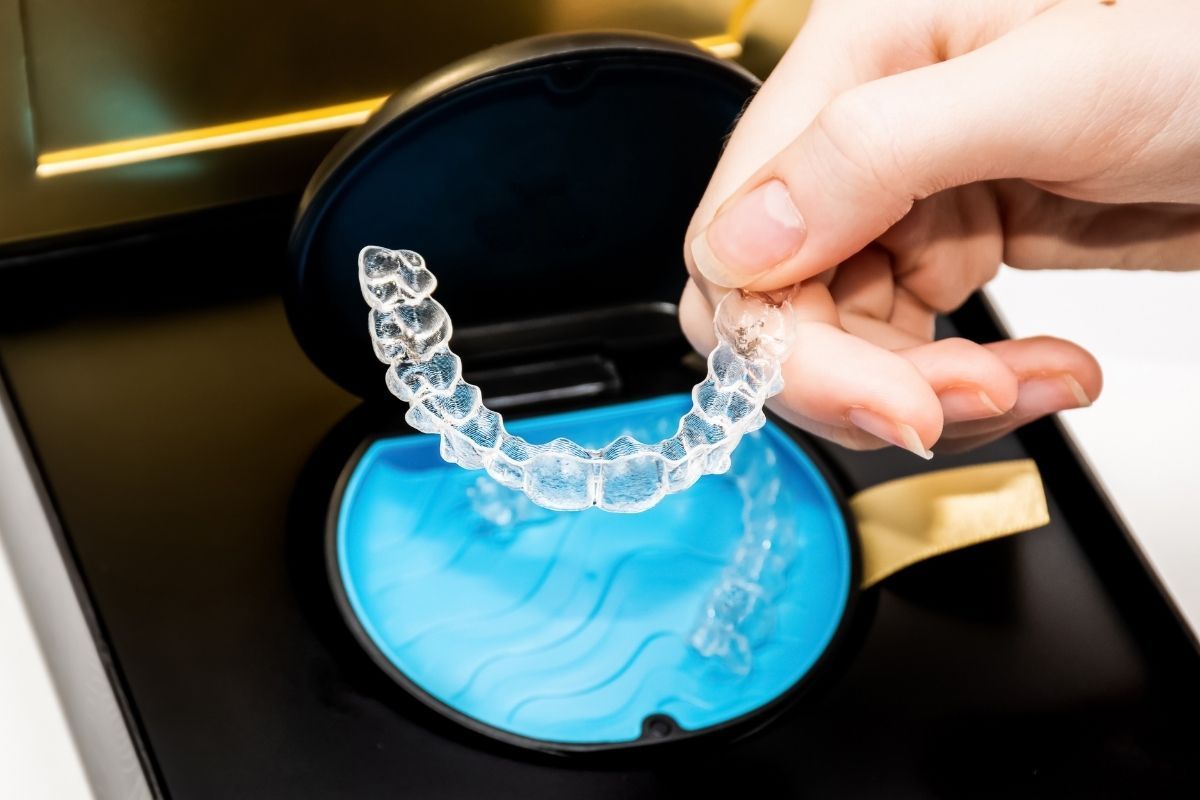
Invisalign Treatment uses clear aligners that are custom-designed to fit your teeth. Patients switch to a new set of aligners every few weeks as the teeth gradually move into better alignment. Since the trays are removable, patients can take them out while eating, brushing, and flossing.
Both treatments can produce excellent results, but your orthodontist must determine whether aligners can successfully continue the work that braces have already started.
When Switching to Invisalign Treatment Makes Sense
Many patients begin with braces and later explore Invisalign Treatment because they want a less noticeable option. Others may want more comfort or flexibility with eating and cleaning their teeth.
Orthodontists often consider a switch when:
• Teeth have already completed major movement with braces
• Bite alignment has improved enough for aligners to finish the process
• Patients want fewer food restrictions
• Oral hygiene has become difficult around brackets and wires
• Adults prefer a more discreet appearance for work or social settings
Every smile responds differently to orthodontic care. Some cases transition smoothly, while others still need braces to achieve precise tooth movement.
What Happens During the Transition Process?
Switching from braces to Invisalign involves more than simply removing brackets and handing over aligners. Your orthodontist creates a new treatment plan based on your current tooth alignment and future goals.
The process usually includes several steps.
First, the braces are carefully removed. Your orthodontist then takes digital scans, X-rays, or impressions of your teeth. These images help map out the remaining tooth movements needed to complete your smile transformation.
Next, custom aligners are created specifically for your teeth. Once your trays are ready, you will begin wearing them according to your treatment schedule.
Patients usually wear aligners for twenty to twenty-two hours per day. Consistency matters because skipping wear time can slow progress and affect final results.
Benefits and Challenges of Invisalign After Braces
Many patients enjoy the flexibility that Invisalign offers, but there are still important responsibilities involved.
Benefits of Switching
• Nearly invisible appearance
• Easier brushing and flossing
• More freedom with food choices
• Smooth aligners without wires or brackets
• Comfortable fit for everyday wear
Challenges to Consider
• Aligners must be worn consistently
• Forgetting trays can delay progress
• Some complex movements may still require braces
• Treatment timelines may vary after the switch
Patients who are disciplined about wearing aligners often adapt very quickly and enjoy the added convenience.
Who Makes a Good Candidate for the Switch?
Not everyone qualifies for Invisalign midway through treatment. Orthodontists usually look for patients who are responsible with instructions and whose remaining tooth movement is suitable for aligner therapy.
Good candidates often include:
• Teens and adults committed to wearing aligners properly
• Patients with improving bite alignment
• Individuals nearing the final stages of orthodontic treatment
• Patients seeking a more discreet treatment option
The best way to know if you are a candidate is through a professional orthodontic evaluation.
Explore Your Smile Options With Expert Orthodontic Care
Orthodontic treatment should fit comfortably into your life while delivering long-term results you can feel confident about. At Laidlaw Orthodontics, every treatment plan is designed around the patient’s unique goals, comfort, and smile needs.
If you are considering moving from braces to Invisalign, our team can help you understand whether the transition makes sense for your situation. Visit our dental office in Hillsboro to explore personalized orthodontic solutions and keep your smile journey on track.
FAQs About Switching From Braces to Invisalign
1. Is Invisalign more comfortable than braces?
