
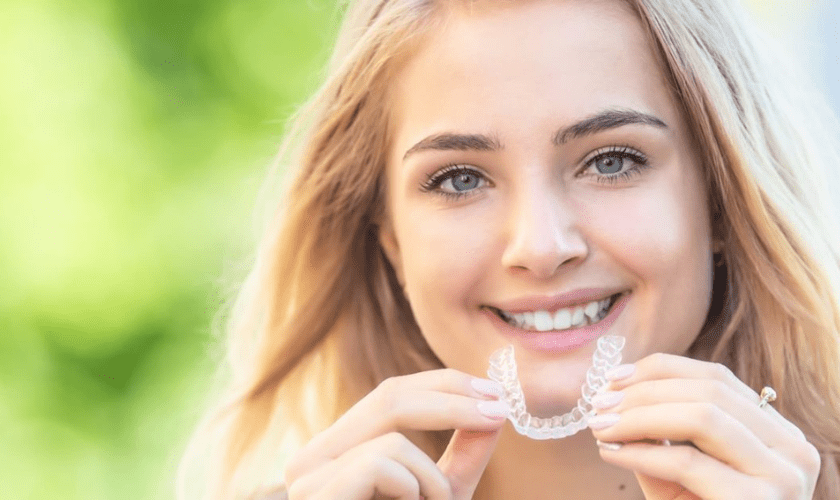
Are you tired of feeling self-conscious about your smile? Well, say goodbye to metal braces and hello to the future of teen orthodontics! Invisalign has taken Hillsboro by storm, providing a discreet and comfortable alternative for teenagers seeking straighter teeth. Get ready to dive into the world of invisible aligners that are revolutionizing orthodontic treatment for teens in our new blog post – “The Future of Teen Orthodontics: Exploring Invisalign in Hillsboro.”
Introduction to Invisalign and its popularity among teens
Orthodontic treatment has long been associated with teenagers, as it is often during this stage of life that orthodontic issues such as crooked teeth, overcrowding, and misalignments become more noticeable. However, traditional metal braces are not always appealing to teens due to the discomfort, appearance, and restrictions they may come with. This is where Invisalign comes in – a clear alternative to braces that has gained popularity among teens.
What is Invisalign?
Invisalign is an orthodontic treatment option that uses a series of clear aligners to straighten teeth. These aligners are custom-made for each patient using 3D printing technology and are designed to gradually shift the teeth into their desired positions. Unlike traditional braces which use wires and brackets attached to the teeth, Invisalign aligners are made from a smooth plastic material that is nearly invisible when worn.
Why Is It Popular Among Teens?
1. Aesthetics: One of the major reasons why Invisalign has gained popularity among teens is its aesthetic appeal. The clear aligners are hardly noticeable when worn, making them ideal for self-conscious teenagers who do not want their orthodontic treatment to affect their appearance or confidence.
2. Comfort: Traditional braces can often cause discomfort or pain due to the metal wires and brackets rubbing against the inside of the mouth. On the other hand, Invisalign aligners are made from a smooth plastic material that is more comfortable to wear and does not irritate the mouth.
3. Removable: One of the biggest advantages of Invisalign is that it is removable. This means that teens can take out their aligners for eating, brushing, and flossing, allowing them to maintain good oral hygiene throughout their treatment. They can also remove them for special occasions or activities such as sports, music lessons, or school pictures.
4. Fewer Food Restrictions: With traditional braces, certain foods are off-limits as they can get stuck in the wires or damage the brackets. However, with Invisalign, there are no food restrictions as the aligners can be removed before eating.
5. Shorter Treatment Time: Invisalign treatment typically takes less time than traditional braces – an average of 12-18 months compared to 18-24 months with braces. This shorter treatment time can be appealing to teens who want to have straight teeth quickly.
6. Less Maintenance: Cleaning and maintaining traditional braces require extra effort and specialized tools such as floss threaders and interdental brushes. In contrast, Invisalign aligners can be easily cleaned using a toothbrush and water without any special tools.
History of traditional braces and the rise of Invisalign
Traditional braces have been the go-to treatment for correcting misaligned teeth and achieving a straighter smile since the early 1900s. The first orthodontic braces were made of heavy metal bands wrapped around individual teeth, connected by wires to move them into their desired positions. This method was highly effective but often uncomfortable and noticeable.
In the 1970s, advancements in dentistry led to the creation of brackets attached to adhesive pads, which eliminated the need for metal bands. These braces were smaller and less conspicuous, making them a more attractive option for adults and teenagers alike. However, they still consisted of visible metal components that could cause discomfort and require frequent adjustments.
Over time, traditional braces continued to evolve with improved materials and techniques. Ceramic brackets became available as an alternative to metal ones, blending in better with natural teeth color. Lingual braces were also introduced where the brackets are placed on the backside of teeth, making them virtually invisible from the front.
Despite these advancements, many individuals still hesitated to undergo orthodontic treatment due to concerns about discomfort and aesthetics associated with traditional braces.
In 1997, a new type of orthodontic treatment called Invisalign was introduced by Align Technologies. It revolutionized teen orthodontics by offering an alternative solution that addressed both comfort and appearance concerns.
Invisalign uses a series of clear plastic aligners custom-made for each patient’s unique dental structure. These aligners are worn over teeth like a mouthguard but are nearly invisible , making them virtually unnoticeable to others. They are removable for eating and oral hygiene, and each set is replaced every two weeks as the teeth gradually shift into alignment.
Since its introduction, Invisalign has gained popularity among individuals seeking orthodontic treatment, with over 8 million successfully treated cases worldwide. Its success has led to further innovations, such as Invisalign Teen designed specifically for teenage patients.
Today, traditional braces and Invisalign remain popular options for correcting misaligned teeth. The choice between the two largely depends on individual needs and preferences. While traditional braces are still effective in treating more complex cases, Invisalign offers a discreet and comfortable solution for those seeking a more aesthetically pleasing option. As technology continues to advance, we can expect to see further improvements in both types of orthodontic treatment.
How Invisalign works: the technology behind the clear aligners
Invisalign is a revolutionary orthodontic treatment that helps to straighten teeth without the need for traditional metal braces. This advanced technology has quickly become a popular choice among teenagers and adults alike due to its discreet, comfortable, and effective approach to orthodontic correction.
So, how exactly does Invisalign work? It all starts with a thorough assessment of your teeth by an experienced Invisalign provider. Using innovative 3D scanning technology, the provider will create a digital model of your teeth and map out their current positions. This allows them to predict how your teeth will gradually move through each stage of treatment.
Based on this information, a customized treatment plan is created using specialized software. The software calculates precisely how many aligners you will need and how long your treatment will take based on the desired end result.
The individualized aligners are then custom-made for each patient using state-of-the-art 3D printing technology. The aligners are made from a smooth, BPA-free plastic material that fits snugly over your teeth but can easily be removed for eating, brushing or flossing.
Each set of aligners is designed to slightly shift your teeth into their new position before moving onto the next set in the series. As you progress through each stage of treatment and switch out aligners every 1-2 weeks as directed by your provider, you’ll begin to see gradual changes in the alignment of your teeth.
To ensure optimal results, it’s crucial to wear the align ers for 20-22 hours per day and only remove them for eating, drinking, brushing and flossing. Your provider will schedule regular check-ups to monitor your progress and make any necessary adjustments to your treatment plan.
One of the key benefits of Invisalign is the ability to see a virtual representation of your teeth before starting treatment. This means you can see what your teeth will look like at each stage of the process and have a clear understanding of the final results.
In addition to being discreet and convenient, Invisalign also offers other advantages over traditional braces. The aligners can be removed for special occasions such as weddings or professional events, making it a popular choice for adults who may feel self-conscious about wearing traditional metal braces.
Furthermore, because they are made from smooth plastic material, they tend to be more comfortable than metal braces which have wires and brackets that can irritate the mouth.
Invisalign has helped millions of people worldwide achieve their dream smile with its innovative technology and customized treatment plans. If you’re considering orthodontic correction, speak to an experienced Invisalign provider about how this advanced technology could work for you.
Benefits of Invisalign for teenagers and their parents
Invisalign has become increasingly popular among teenagers as a more discreet and convenient alternative to traditional braces. With its clear aligners and removable design, Invisalign offers numerous benefits for both teenagers and their parents. In this section, we will discuss in detail the various advantages of choosing Invisalign for teen orthodontic treatment.
1. Improved Self-confidence: One of the biggest benefits of Invisalign in Hillsboro for teenagers is the boost in self-confidence that comes with it. The clear aligners are virtually invisible when worn, making it easier for teens to smile confidently without feeling self-conscious about their appearance. This can have a positive impact on their overall self-esteem and social interactions.
2. Flexible Treatment Option: Invisalign allows for more flexibility compared to traditional braces. The aligners can be removed while eating, brushing or flossing, allowing teens to maintain good oral hygiene habits without any restrictions. Moreover, they can also be taken out during special occasions such as prom night or school events.
3. No Food Restrictions: Traditional braces come with a long list of food restrictions that can disrupt a teenager’s diet and social life. With Invisalign, there are no such restrictions as the aligners can be easily removed before meals, allowing teenagers to continue enjoying their favorite foods.
4. Fewer Orthodontic Visits: Teens are often busy with schoolwork and extracurricular activities. With traditional braces, frequent visits to the orthodontist for adjustments are necessary which can cause disruptions in their schedule. Invisalign only requires visits every 4-6 weeks, making it a more convenient option for teenagers and their parents.
5. Easy Maintenance: Invisalign aligners are removable, which means they can be easily cleaned and maintained. This is especially beneficial for teenagers who may struggle with keeping traditional braces clean and free of food particles.
6. Less Discomfort: Compared to traditional braces, Invisalign is relatively comfortable to wear. The smooth plastic aligners do not have any metal wires or brackets that can cause irritation or discomfort to the inside of the mouth.
7. Effective Treatment: Invisalign has been proven to effectively treat a wide range of orthodontic issues such as crooked teeth, overcrowding, gaps, and bite problems. With the help of advanced technology, customized treatment plans can be created to address each teen’s unique needs.
8. No Emergency Visits: With traditional braces, a broken wire or bracket can lead to an emergency visit to the orthodontist for repairs. With Invisalign, there is no risk of these types of emergencies as there are no wires or brackets involved.
9. Peace of Mind for Parents: As a parent, it can be stressful worrying about your child’s braces getting damaged, or them not maintaining good oral hygiene. With Invisalign, parents can have peace of mind knowing that their child is able to properly care for their teeth and aligners.
Comparison between Invisalign and traditional braces
When it comes to orthodontic treatment options for teenagers, two popular options are Invisalign and traditional braces. Both are designed to straighten teeth and correct misalignment, but they have significant differences in terms of appearance, comfort, and maintenance.
Appearance: One of the main concerns for teenagers when considering orthodontic treatment is how it will affect their appearance. Traditional braces consist of metal brackets and wires that are visible on the teeth. This can be a source of embarrassment for some teens who may feel self-conscious about having a “metal mouth”. On the other hand, Invisalign aligners are made from clear plastic material that is virtually invisible when worn. They blend in with the natural color of the teeth, making them a more discreet option.
Comfort: Another important factor for teenagers is comfort during orthodontic treatment. Traditional braces can cause discomfort and soreness as the brackets and wires apply pressure to shift the teeth into proper alignment. The metal components can also cause irritation to the cheeks and gums. In contrast, Invisalign aligners are custom-made from smooth plastic material that does not irritate or rub against the inside of the mouth. There may be some slight discomfort when switching to a new set of aligners every few weeks as the teeth adjust, but overall they tend to be more comfortable than traditional braces.
Maintenance: Proper maintenance is crucial for successful orthodontic treatment. With traditional braces, there are certain dietary restrictions as hard or sticky foods can damage or get stuck in the brackets and wires. Special tools are also needed to properly clean around the metal components. Invisalign aligners, on the other hand, are removable so there are no restrictions on what you can eat. They can also be easily removed for brushing and flossing, making it easier to maintain good oral hygiene during treatment.
Effectiveness: Both Invisalign and traditional braces are effective in straightening teeth and correcting bite issues. However, traditional braces may be more effective for complex cases as they have the ability to apply more pressure to move stubborn teeth. Invisalign is better suited for mild to moderate orthodontic issues.
Length of treatment: In general, traditional braces tend to have a longer treatment time compared to Invisalign. With traditional braces, appointments with an orthodontist are needed every 4-6 weeks for adjustments, while Invisalign aligners are typically changed every 1-2 weeks at home.
In summary, both Invisalign and traditional braces have their own advantages and it ultimately comes down to personal preference and what your orthodontist recommends based on your specific case. While traditional braces may be a better option for some teenagers, others may prefer the discreetness and comfort of Invisalign aligners
