
If you’re exploring orthodontic options and are concerned that your dental issues may be too complex for Invisalign, you’re not alone. Although Invisalign is popular for its nearly invisible design, questions often arise about its ability to treat complex alignment issues.
The short answer is yes, in many cases it can. But the full story is more nuanced. Let’s break it down so you know what to expect and whether it might be right for you.
What Is Invisalign and How Does It Work?
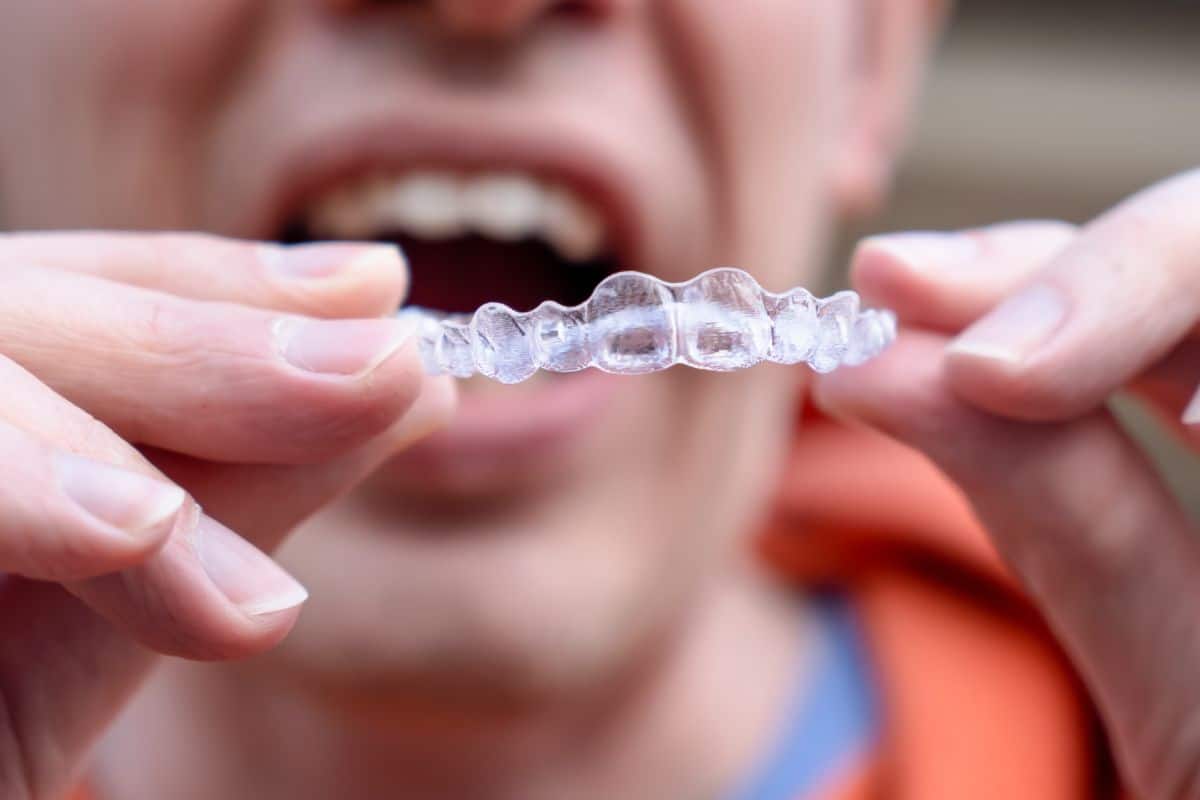
Invisalign is a modern orthodontic system that uses a series of clear, custom-designed aligners to gradually move your teeth into better alignment. These aligners are made from smooth, transparent plastic and are designed to fit snugly over your teeth.
The process begins with a detailed consultation. Your dentist or orthodontist captures digital impressions of your teeth and uses advanced software to map out a step-by-step treatment plan. Each set of aligners is slightly different, applying controlled pressure to guide your teeth into their ideal position over time.
Because the aligners are removable, you can take them out when eating, brushing, or flossing, making them a convenient option for many patients.
Understanding What Makes a Dental Case “Complex”
Orthodontic cases vary widely in difficulty. While minor spacing or slight crowding is relatively straightforward to correct, complex cases often involve deeper structural or alignment issues.
Some examples of complex dental concerns include:
- Significant crowding or spacing
- Bite problems such as overbite, underbite, or crossbite
- Teeth that are rotated or impacted
- Jaw alignment issues
- Shifts caused by missing teeth or previous dental work
Traditionally, these types of issues were treated primarily with metal braces because they offer strong, continuous force and precise control. Today, Invisalign has evolved to address many of these challenges with impressive accuracy.
What Dental Problems Can Invisalign Treat?
Invisalign can correct a wide range of orthodontic issues. Here’s how it works for some of the most common concerns:
Crooked or Misaligned Teeth
Teeth that are not properly aligned can make brushing and flossing more difficult, increasing the risk of plaque buildup and decay. Invisalign gently shifts teeth into better positions, improving both aesthetics and oral health.
Overbite
An overbite occurs when the upper teeth overlap the lower teeth excessively. Over time, this can lead to uneven wear and jaw discomfort. Invisalign can gradually reposition the teeth to create a more balanced bite.
Underbite
In an underbite, the lower teeth extend beyond the upper teeth. This can affect chewing, speaking, and facial symmetry. With the help of aligners—sometimes combined with elastics—Invisalign can improve alignment and function.
Gaps Between Teeth
Spaces between teeth can trap food and increase the risk of gum problems. Invisalign works to close these gaps, creating a more even and functional smile.
Open Bite
An open bite happens when the upper and lower teeth don’t meet when the mouth is closed. This can interfere with chewing and speech. Invisalign helps guide teeth into proper contact for improved performance.
Can Invisalign Handle Complex Cases?
In many situations, yes. Invisalign has come a long way and can now manage moderate to even some advanced orthodontic concerns. Features like attachments (small tooth-colored shapes bonded to teeth) and elastics allow for more precise movements and better control.
That said, there are still limitations. Severe skeletal issues or extremely complex bite problems may require alternative treatments, such as traditional braces or surgical intervention. The best way to determine suitability is through a professional evaluation
Who Is a Good Candidate for Invisalign?
Invisalign is a popular choice for both teens and adults who want a discreet way to improve their smile. While it can handle a variety of cases, the best candidates typically:
- Have mild to moderate alignment issues (though some complex cases qualify)
- Are committed to wearing aligners for 20–22 hours per day
- Maintain good oral hygiene habits
- Prefer a less noticeable alternative to metal braces
Patient compliance plays a major role in success. Because aligners are removable, consistent wear is essential to achieve the desired result
Benefits of Invisalign
Invisalign offers several advantages that make it appealing compared to traditional orthodontic options:
Subtle Appearance
The clear design makes aligners nearly invisible, allowing you to straighten your teeth without drawing attention.
Enhanced Comfort
With no brackets or wires, there is less risk of irritation to the cheeks and gums. The smooth plastic material feels more comfortable overall.
Flexibility and Convenience
You can remove the aligners when eating or attending special events, making it easier to maintain your lifestyle.
Easier Oral Hygiene
Brushing and flossing remain simple since you don’t have to work around fixed appliances. This helps support better gum health during treatment.
What to Expect During Treatment
Initial Consultation
Your orthodontist will assess your dental health and determine if Invisalign suits your needs. A 3D digital scan of your teeth helps create a customized treatment plan.
Receiving Your Aligners
Once the aligners are ready, your dentist will provide a series of trays to be worn in a specific order. Each set should be worn for about two weeks before moving to the next.
Regular Checkups
You’ll visit your orthodontist every six to eight weeks to monitor progress and receive new aligners. These visits ensure the treatment stays on track.
Tips for Getting the Best Results
Wear Aligners as Directed: Commit to wearing them for 20–22 hours daily to achieve the best results.
Clean Aligners Properly: Rinse them with lukewarm water, then use a soft-bristled toothbrush to remove debris. Avoid using hot water as it can warp the plastic.
Avoid Staining Foods and Drinks: Remove aligners when consuming foods or drinks that can stain, such as coffee or red wine.
Keep Up with Oral Hygiene: Brush and floss after every meal to prevent food particles from getting trapped between teeth.
Limitations of Invisalign
While Invisalign is highly effective for many cases, it has some limitations. Severe misalignments, complex bite issues, or skeletal problems may require alternative treatments. It’s essential to consult a qualified orthodontist to understand what works best for your situation.
Ready to Transform Your Smile?
A successful Invisalign journey depends on consistency and trust in the process. Each new set of aligners moves your teeth closer to proper alignment, creating a smile that not only looks better but also functions more comfortably. Consistency is key. When you follow your treatment plan and attend regular checkups, you set yourself up for smooth, predictable progress.
At Laidlaw Orthodontics, every stage of your treatment is carefully monitored with attention to detail. Our experienced team focuses on guiding each movement with precision, helping you feel informed and confident as your smile transforms over time.
Schedule your consultation today at our Hillsboro office and take the first step toward a healthier, more confident smile.
FAQs About Invisalign for Complex Cases
1. Can Invisalign fix a severe overbite or underbite?
In many cases, Invisalign can correct moderate-to-severe bite issues using attachments and elastics. The success depends on how complex the condition is. A detailed evaluation helps determine if aligners alone can achieve the desired results.
2. How long does Invisalign take for complex cases?
Treatment time varies based on the severity of the issue. Complex cases may take longer than mild ones, often ranging from 12 to 24 months. Staying consistent with wearing aligners helps keep the timeline on track.
3. Is Invisalign painful for advanced corrections?
Most patients feel mild pressure when switching to a new set of aligners. This sensation usually fades within a few days. Compared to traditional braces, many people find aligners more comfortable overall.
4. Are attachments noticeable during treatment?
Attachments are small and tooth colored, so they blend in with your natural teeth. While they may be visible up close, most people do not notice them in everyday interactions.
5. Can teens with complex cases use Invisalign?
Yes, many teens are good candidates for Invisalign, even with more involved alignment issues. Compliance is important, so wearing aligners as directed plays a major role in success.
6. What happens if I do not wear my aligners enough?
Not wearing aligners as instructed can delay progress and affect results. Teeth may not move as planned, which could extend treatment time or require adjustments to the plan.
7. Will I need retainers after Invisalign?
Yes, retainers are essential after treatment to maintain your results. Teeth can shift over time, so wearing a retainer as recommended helps keep your smile aligned for the long term.
