
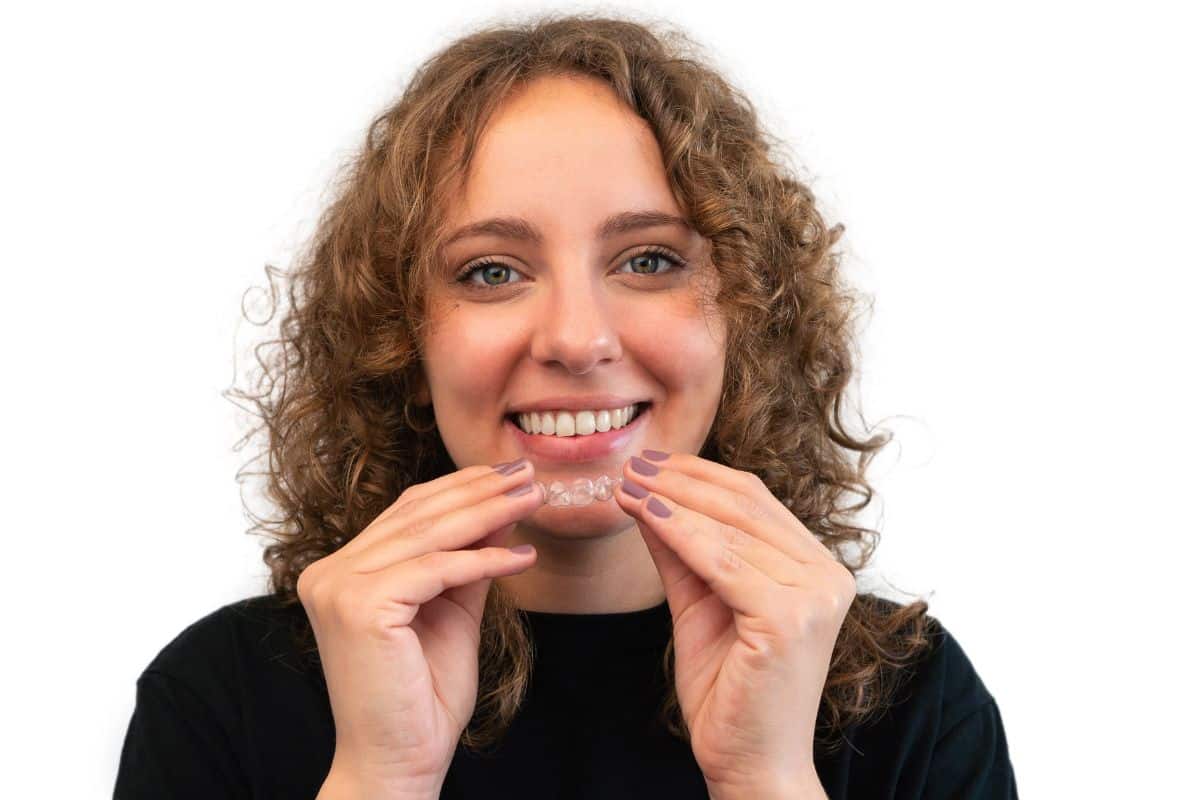
Many patients today want straighter teeth without the look or inconvenience of traditional metal braces. Invisalign offers a clear, comfortable, and highly effective alternative, using custom-made aligners to gradually move your teeth into proper alignment.
This guide explains how the Invisalign process works from the initial consultation to the final retention phase.
Why Choose Invisalign Over Traditional Braces?
Before exploring the step-by-step process, it’s helpful to understand what makes Invisalign such a popular orthodontic option for patients balancing Hillsboro’s active and fast-paced lifestyle :
-
Clear, nearly invisible aligners instead of brackets and wires
-
Removable design so you can eat, brush, and floss normally
-
Custom 3D treatment planning for precise, predictable movement
-
Greater comfort with smooth plastic trays
-
Discreet appearance, ideal for teens and adults
While Invisalign can treat many orthodontic concerns, including crowding, spacing, and certain bite issues, some complex cases may still require traditional braces or a hybrid approach. With proper orthodontic care, evaluate your smile to determine the best solution for long-term success.
Step 1: Initial Consultation & Digital Assessment
Your Invisalign journey begins with a comprehensive orthodontic consultation.
Comprehensive Exam
With experienced orthodontic care, the first step is to evaluate your bite alignment, tooth positioning, jaw relationship, and overall oral health. If any dental concerns are present, we coordinate care to ensure your mouth is healthy before beginning orthodontic treatment.
Advanced Digital Scans
Instead of messy impressions, use advanced intraoral scanning technology to capture detailed 3D images of your teeth. These scans allow us to map out your precise treatment plan.
Personalized Treatment Preview
Using Invisalign’s digital planning software, we create a virtual simulation of how your teeth will move over time. You’ll be able to preview your projected results before treatment even begins.
This collaborative planning ensures your treatment aligns with your goals and expectations.
Step 2: Custom Aligner Fabrication & First Fitting
Once your treatment plan is finalized:
-
Your custom aligners are fabricated using smooth, medical-grade thermoplastic.
-
Each aligner is precisely trimmed to match your gumline for comfort.
-
At your delivery appointment, we ensure proper fit and comfort.
In some cases, small tooth-colored attachments (composite bonding shapes) are placed on specific teeth. These attachments help guide more complex movements and improve the aligner’s effectiveness. With your first set in place, your smile transformation officially begins.
Step 3: The Active Treatment Phase
This is where the gradual movement happens week by week.
How Invisalign Moves Teeth
Each aligner applies gentle, controlled pressure to specific teeth. As this pressure is applied:
-
Bone naturally remodels around the tooth
-
Teeth gradually shift into new positions
-
Movement follows the digitally planned sequence
Only certain teeth move with each aligner, ensuring safe and predictable progress.
Wear Schedule
-
Aligners are typically worn 20–22 hours per day
-
Each set is worn for about 1–2 weeks
-
Remove aligners only for eating, brushing, and flossing
Consistency is key. Compliance plays a major role in achieving optimal results.
Progress Checkups
Regular checkups are an essential part of your Invisalign treatment. Approximately every 6–8 weeks, you should visit your dentist to monitor your dental progress, ensure your teeth are moving as planned, and that they are fitting properly.
Step 4: Completion & Retention
Once you’ve completed your final aligner:
Final Evaluation
Your dentist confirmed your bite is balanced, and your teeth are aligned as planned.
Retainers
To maintain your new smile, you’ll receive custom retainers. Initially, retainers are worn full-time, then gradually transitioned to nighttime wear.
Retention is essential. Teeth naturally want to shift back, and wearing retainers protects your investment.
How Long Does Invisalign Take?
Treatment time varies based on complexity:
-
Mild cases: as little as 6 months
-
Moderate cases: typically 12–18 months
-
More complex cases: may require longer or combined approaches
Many patients begin noticing visible improvements within just a few months.
Straighten Your Smile with Confidence in Hillsboro
Invisalign offers a modern, discreet, and comfortable way to achieve a straighter smile without the appearance of metal braces. By understanding each step from consultation and 3D planning to aligner wear and retention, you can begin treatment with confidence.
If you’re considering your Invisalign treatment, schedule a consultation with Laidlaw Orthodontics in Hillsboro today. Let us help you take the first step toward a healthier, more confident smile.
FAQs About Invisalign Treatment
Does Invisalign Hurt?
You may feel mild pressure or soreness for the first day or two after switching aligners. This is normal and typically far less uncomfortable than traditional braces.
How long does Invisalign treatment take?
Treatment time varies depending on the complexity of your case. Most patients complete Invisalign within 6–18 months, though mild cases may finish sooner.
Can Invisalign fix bite problems?
Yes, Invisalign can treat many bite issues such as overbite, underbite, crossbite, and open bite. However, severe cases may require alternative or combined orthodontic treatment.
Will Invisalign affect my speech?
Some patients notice a slight lisp when they first begin wearing aligners. This typically disappears within a few days as your tongue adjusts.
Do I need to wear a retainer after Invisalign?
Yes. After treatment, retainers are necessary to maintain your results and prevent teeth from shifting back.
