
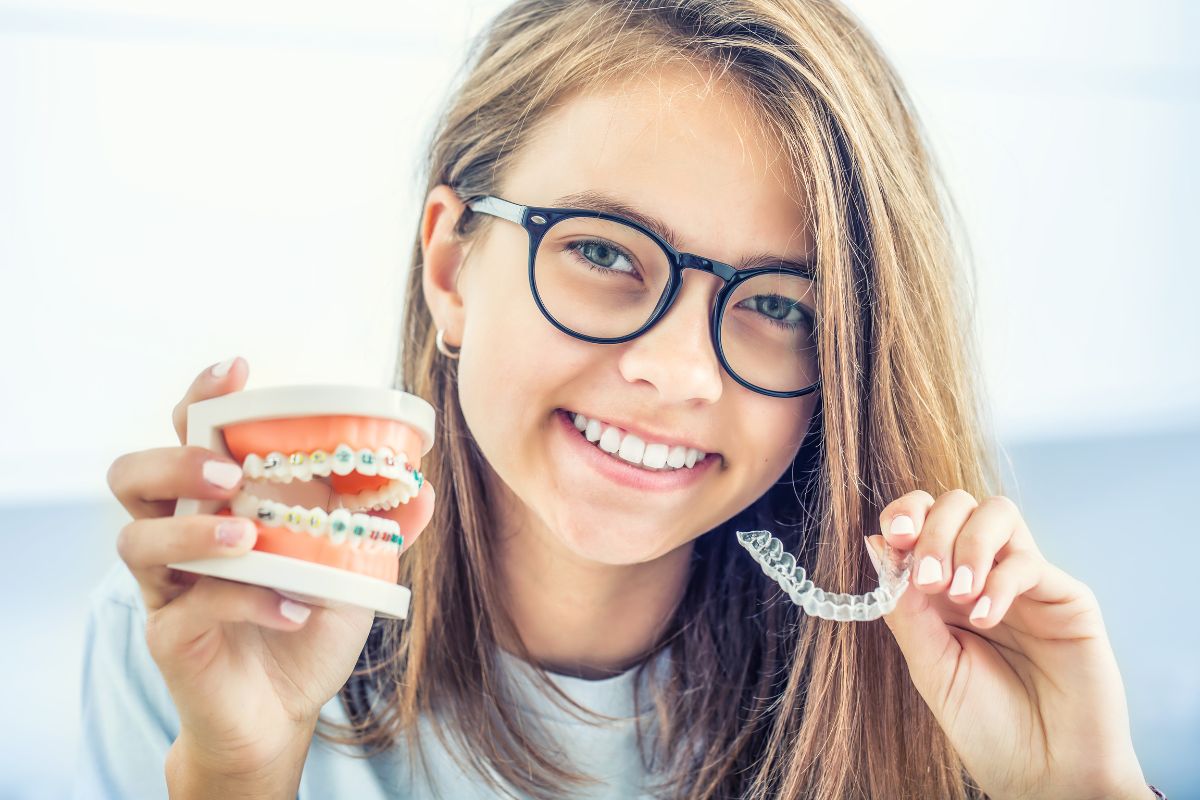
A confident, well-aligned smile can make a lasting impression, personally and professionally. With today’s orthodontic advancements, patients have more options than ever to achieve it. Many people now turn to Invisalign treatment for a discreet and comfortable way to straighten their smile without the look or lifestyle limitations of metal braces. Understanding how these two approaches differ will help you choose the best fit for your needs, goals, and daily routine.
How Braces And Invisalign Actually Work?
Traditional braces use brackets and wires that are securely attached to your teeth. Over time, these components apply steady, controlled pressure to guide teeth into better alignment. Adjustments are made periodically to ensure the teeth continue to move according to the plan. Because braces are fixed in place, they work around the clock without needing to be removed or reinserted.
Clear aligners, such as Invisalign, take a different approach. Instead of brackets and wires, Invisalign uses a series of custom-made, clear plastic trays that gradually shift your teeth. Each set of aligners is worn for about one to two weeks before switching to the next in the series. The trays are removable, making them a flexible and discreet solution for many teens and adults.
Both systems are highly effective; the key difference lies in their mechanics and the level of visibility during treatment.
Which Option Fits Better Into Your Routine?
Your daily habits and schedule play a major role in determining the right orthodontic treatment.
Braces are ideal for patients who prefer a “set-it-and-forget-it” option. Since they’re bonded to your teeth, you don’t have to remember to wear them. However, you’ll need to avoid certain foods, such as popcorn, sticky candies, and hard snacks, to prevent damage. Oral hygiene also requires extra care to clean around brackets and wires.
Invisalign aligners, on the other hand, are removable. This means you can eat what you like and brush and floss normally without having to navigate around hardware. The trade-off? You must wear the aligners 20–22 hours per day for optimal results. If you frequently remove them or forget to put them back in, treatment progress can slow down.
For busy professionals and image-conscious teens in Hillsboro, clear aligners often feel like a seamless addition to daily life. But for patients who prefer not to manage removable trays, braces may be the simpler choice.
The Technology That Makes Today’s Orthodontics Smarter
Orthodontic treatment today is far more advanced than it was even a decade ago. Digital imaging and 3D treatment planning allow orthodontists to map out precise tooth movements before treatment even begins.
With Invisalign, advanced software creates a virtual model of your smile transformation, allowing you to preview potential results. Each aligner is fabricated using precise measurements to ensure controlled, predictable movement.
Modern braces have also evolved. They are smaller, more comfortable, and more efficient than older versions. Some systems even reduce friction and shorten adjustment times, helping improve overall comfort and efficiency.
How Long Does Each Treatment Take?
Treatment time depends on the complexity of your case, not on the appliance alone.
Braces typically take about 18 to 24 months for comprehensive treatment. More complex bite corrections or severe crowding may require additional time.
Invisalign treatment can range from 9 to 18 months for mild to moderate cases. However, the timeline depends heavily on patient compliance. Wearing aligners as directed is essential to staying on schedule.
During your consultation, your orthodontist will evaluate factors such as crowding, spacing, bite alignment, and jaw positioning to provide a more personalized timeline.
Choosing The Right Option For Your Smile
There is no one-size-fits-all answer when it comes to orthodontics. The right choice depends on:
-
The complexity of your alignment or bite concerns
-
Your lifestyle and professional needs
-
Your comfort preferences
-
Your ability to commit to aligner wear guidelines
Braces may be better suited for patients with significant bite issues, severe misalignment, or younger teens who may struggle with removable trays.
Invisalign is often an excellent option for adults and responsible teens who want a discreet, comfortable, and flexible treatment experience.
The most important step is having a professional evaluation. A customized treatment plan ensures that whichever option you choose delivers long-lasting, healthy results.
Straighten Your Teeth With The Best Approach in Hillsboro
If you’re ready to transform your smile, the team at Laidlaw Orthodontics is here to help you. Whether you’re considering traditional braces or Invisalign clear aligners, we provide personalized care tailored to your goals and lifestyle.
A straighter smile isn’t just about appearance; it can improve oral health, bite function, and overall confidence. Schedule your consultation today at our Hillsboro office and discover which orthodontic solution is right for you. Your journey toward a healthier, more confident smile starts here.
FAQs About Braces vs. Clear Aligners
1. Which is more effective: braces or clear aligners?
Both braces and Invisalign are highly effective when prescribed appropriately. Braces are often recommended for more complex bite and alignment issues, while Invisalign works well for mild to moderate cases. Your orthodontist will recommend the best option based on your specific needs.
2. Are clear aligners more comfortable than braces?
Many patients find Invisalign more comfortable because there are no brackets or wires that can irritate the cheeks and gums. However, you may still feel slight pressure when switching to a new aligner tray, which is a sign that your teeth are moving.
3. How many hours per day should Invisalign be worn?
Invisalign aligners should be worn for 20–22 hours per day. Removing them too often or forgetting to wear them consistently can delay your treatment progress and extend your overall timeline.
4. Do braces work faster than Invisalign?
Treatment time depends on the complexity of your case, not on the appliance itself. In some complex cases, braces may provide more efficient results, while Invisalign can be quicker for mild alignment concerns.
5. Are there food restrictions with braces or Invisalign?
With braces, you’ll need to avoid hard, sticky, and chewy foods to prevent damage. Invisalign aligners are removable, so you can eat what you like—just be sure to brush before putting the trays back in.
