
When it comes to achieving a straight and healthy smile for your kids and teens, the decision between Invisalign and traditional braces is a common dilemma. Each option has its unique benefits, and understanding the differences is crucial in making an informed choice. At Laidlaw Orthodontics in Hillsboro, we believe in providing tailored solutions for every individual, ensuring a confident and beautiful smile. Let’s delve into the distinctions between Invisalign and braces to help you make the best decision for your child’s orthodontic journey.
Understanding Invisalign:
Invisalign has revolutionized orthodontic treatment, especially for older kids and teens who may be more conscious of their appearance. Invisalign consists of clear, removable aligners custom-made to fit snugly over the teeth. These aligners gradually shift the teeth into their desired position. The discreet nature of Invisalign makes it a popular choice among teenagers.
One significant advantage of Invisalign is its removability. Kids can take out the aligners for meals, making oral hygiene more manageable. The absence of brackets and wires also means fewer visits to the orthodontist for adjustments, providing a convenient option for busy families.
Benefits of Traditional Braces:
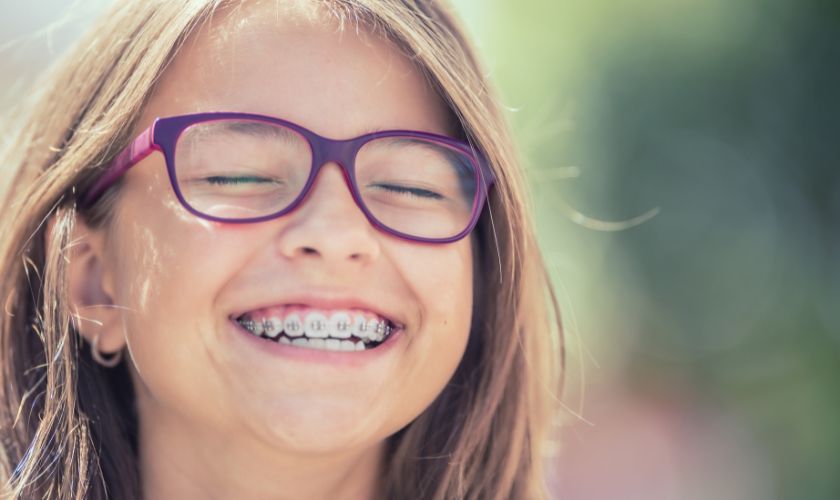
Traditional braces, characterized by metal brackets and wires, remain a reliable and effective method for correcting dental misalignments in kids and teens. While they may not offer the same aesthetic appeal as Invisalign, braces have evolved to become more comfortable and visually appealing.
Braces are a fixed orthodontic appliance, meaning they stay in place throughout the treatment duration. This constant pressure applied to the teeth allows for precise adjustments, making them suitable for more complex cases of misalignment or bite issues.
Additionally, braces are often a more cost-effective option, making them an attractive choice for families considering budget constraints.
Key Considerations for Choosing:
Aesthetic Preferences: If your child or teen values a discreet treatment option, Invisalign may be the preferred choice. However, some kids enjoy the opportunity to customize their braces with colorful bands.
Treatment Complexity: The nature of the orthodontic issues plays a significant role in the decision-making process. While Invisalign is suitable for various cases, braces might be recommended for more complex dental problems.
Compliance: Invisalign’s success relies on the patient’s commitment to wearing the aligners for at least 22 hours a day. Braces, being fixed, eliminate concerns about compliance but may require more attention to oral hygiene.
Comfort: Both Invisalign and braces have come a long way in terms of comfort. Modern braces in Hillsboro are designed to be less intrusive, and Invisalign aligners are smooth and generally well-tolerated.
Why Choose Laidlaw Orthodontics in Hillsboro?
At Laidlaw Orthodontics, we prioritize individualized care and patient satisfaction. Our team of experienced orthodontists in Hillsboro specializes in both Invisalign and braces, ensuring that each child receives the most suitable treatment for their unique needs.
Choosing the right orthodontic treatment for your kids and teens is a crucial decision. Whether you opt for the discreet and removable Invisalign or the reliable and effective braces, Laidlaw Orthodontics is committed to guiding your child toward a confident and beautiful smile. Schedule a consultation with our experts to explore the best options for your child’s orthodontic journey in Hillsboro.
In conclusion, the choice between Invisalign and braces depends on various factors, including aesthetic preferences, treatment complexity, compliance, and comfort. Laidlaw Orthodontics offers comprehensive solutions for kids and teens, ensuring a positive orthodontic experience in Hillsboro.
