
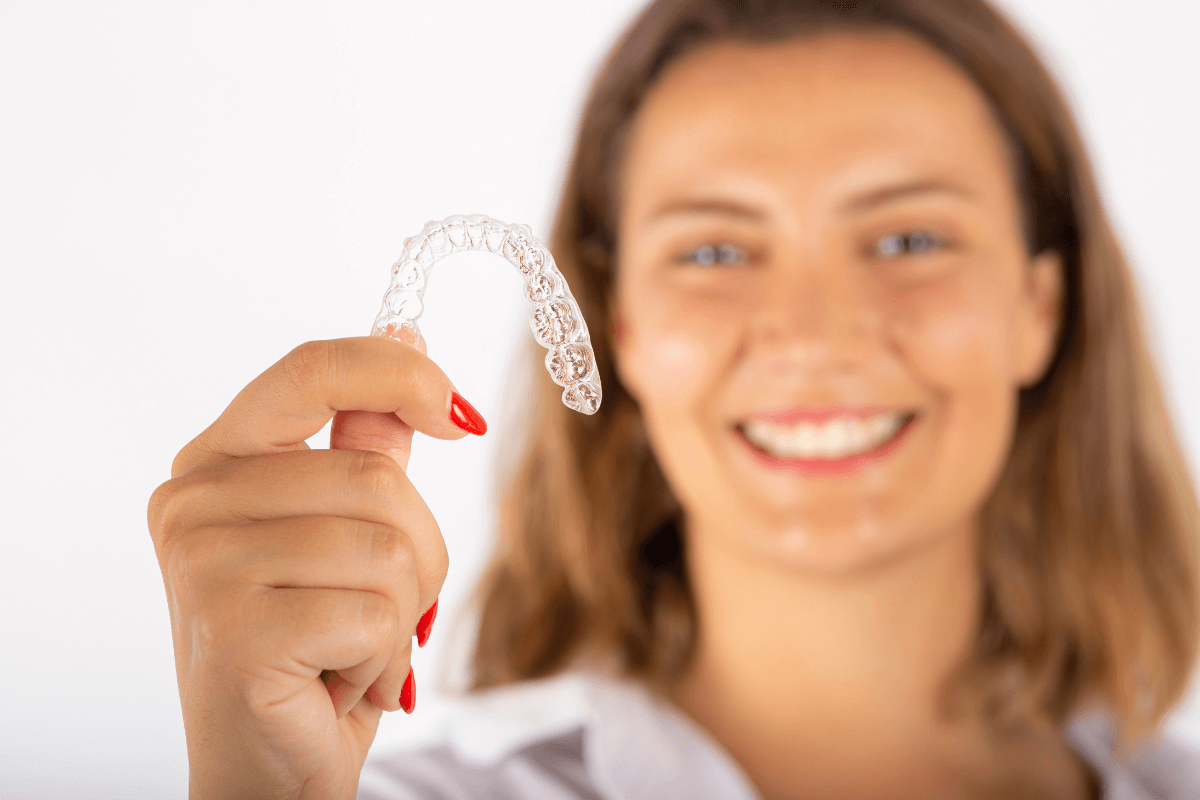
When it comes to orthodontic treatment, many patients choose Invisalign because of its discreet design and comfort. But one question often arises: Does Invisalign cause cavities? The short answer is no, Invisalign doesn’t directly cause cavities—but how you care for your aligners and teeth plays a huge role in your oral health during treatment.
If you’re considering Invisalign, it’s important to understand the connection between clear aligners and cavities, as well as how to protect your smile throughout the process. At Laidlaw Orthodontics, our goal is to guide you through your treatment with confidence and healthy habits.
Why Invisalign Doesn’t Directly Cause Cavities
Cavities are caused by bacteria, plaque, and food particles that stay on your teeth too long. Invisalign aligners themselves don’t contain sugars or acids, so they don’t create cavities. However, wearing aligners can make it easier for plaque to remain trapped against your teeth if proper cleaning is neglected.
Think of aligners as a shield—if your teeth aren’t clean before putting them on, you’re essentially sealing bacteria and sugars against the enamel for hours at a time. That’s where problems begin.
Habits That May Increase Cavity Risk with Invisalign
Here are a few common habits that can raise your risk of cavities while wearing Invisalign:
-
Not brushing after meals – Food particles left behind can stick to your teeth under the aligners.
-
Skipping flossing – Bacteria between teeth can spread and cause decay.
-
Wearing aligners while drinking sugary or acidic drinks – Sodas, coffee, and juices trap sugars under the trays.
-
Improper aligner cleaning – Using hot water or failing to clean aligners daily allows bacteria to grow.
Our Hillsboro orthodontist will always remind you that good hygiene habits are just as important as wearing your aligners as directed.
How to Prevent Cavities During Invisalign Treatment
The great news? Preventing cavities with Invisalign is completely manageable. With a few extra steps, you can keep your smile healthy while your teeth move into alignment.
Here are some proven tips:
-
Brush after every meal or snack before putting aligners back in.
-
Use fluoride toothpaste to strengthen enamel.
-
Floss daily to remove food particles and bacteria between teeth.
-
Rinse your mouth with water if brushing immediately isn’t possible.
-
Clean aligners properly using lukewarm water and recommended cleaning crystals or mild soap.
-
Avoid sugary or acidic drinks while wearing your aligners. Stick to water instead.
Following these simple habits can drastically reduce your risk of cavities during Invisalign treatment.
Why Regular Checkups Are Crucial
Even with excellent at-home care, professional monitoring is key. Visiting your orthodontist regularly allows your dental team to:
-
Track your tooth movement progress
-
Check for early signs of cavities or gum issues
-
Make sure aligners fit properly
-
Give personalized hygiene recommendations
At our dental practice in Hillsboro, we combine expert care with patient education, ensuring you feel supported every step of the way.
The Role of Diet in Protecting Your Smile
Diet plays a major role in whether you develop cavities during orthodontic treatment. Foods and drinks high in sugar, starches, and acids increase your risk. During Invisalign treatment, it’s smart to:
-
Limit soda, sports drinks, and energy drinks
-
Choose water as your main beverage
-
Snack on fresh fruits, vegetables, nuts, and cheese
-
Avoid sticky or hard candies that cling to teeth
Not only will these choices reduce cavities, but they’ll also help aligners stay clear and odor-free.
FAQs About Invisalign and Cavities
Q. Can I wear my Invisalign aligners while drinking coffee?
A. It’s not recommended. Coffee can stain aligners and allow sugars and acids to be trapped against your teeth. Always remove them before drinking anything but water.
Q. Do aligners protect my teeth from cavities?
A. No. Aligners are not protective devices. They can actually trap bacteria against your teeth if you don’t clean them and your teeth properly.
Q. What if I forget to brush before putting aligners back in?
A. Skipping one brushing session occasionally isn’t the end of the world, but repeated neglect increases your cavity risk. Carry a travel toothbrush to make it easier.
Q. Are cavities more common with Invisalign compared to braces?
A. Not necessarily. Invisalign often makes hygiene easier because aligners are removable, unlike braces. The key is consistent oral care.
Q. How often should I see my orthodontist during Invisalign treatment?
A. Typically every 6–8 weeks, but your orthodontist may adjust this depending on your progress.
Q. Can cavities delay my Invisalign treatment?
A. Yes. If you develop cavities, your dentist will need to treat them before you continue with aligner wear. This can delay your progress.
Keeping Your Smile Healthy with Invisalign
So, does Invisalign cause cavities? The aligners themselves don’t—but your oral care habits during treatment matter a lot. By brushing, flossing, cleaning your aligners, and visiting your orthodontist regularly, you can keep cavities away while achieving the straight smile you’ve always wanted.
If you’re considering Invisalign in Hillsboro, our team at Laidlaw Orthodontics is here to help. We’ll not only design your personalized treatment plan but also give you the guidance to maintain excellent oral health along the way.
