
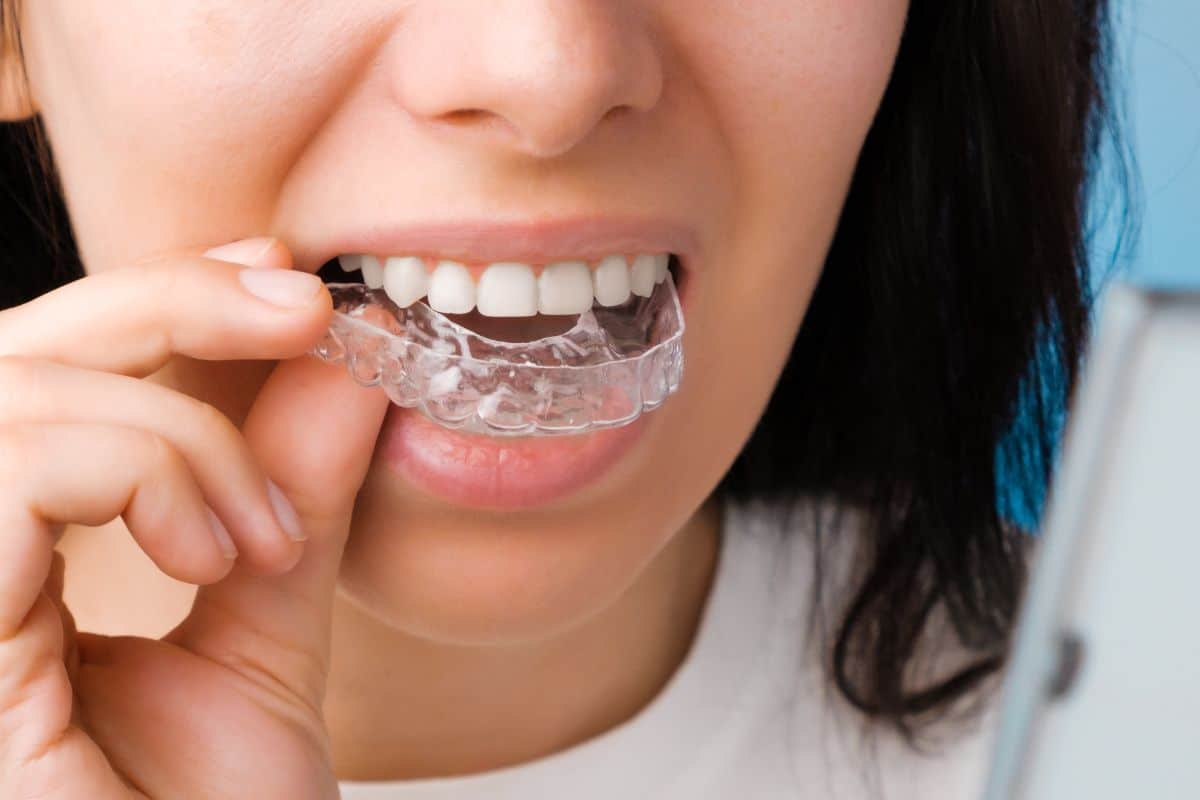
Starting Invisalign treatment often feels exciting. You are moving toward straighter teeth, a healthier bite, and a more confident smile. But while most people expect mild pressure or tenderness, some notice something less obvious: dry mouth.
That sticky, uncomfortable feeling can make everyday things like talking, eating, or sleeping less pleasant. You may feel thirsty more often, wake up with a dry throat, or notice your lips cracking faster than usual. While this can feel frustrating, dry mouth during aligner wear is often temporary and manageable.
Understanding why it happens and how to respond can help you stay comfortable while protecting your oral health throughout treatment.
Why Invisalign Treatment Can Cause Dry Mouth
For many patients, dry mouth begins during the first stage of Invisalign treatment as the mouth adapts to wearing aligners for most of the day. While invisalign aligners do not directly stop saliva production, they can change how your mouth functions.
Your mouth is adjusting to a new surface
Invisalign aligners cover your teeth for long hours. This changes how saliva naturally moves around the mouth. During the adjustment period, some patients feel a dry or coated sensation.
You may be breathing through your mouth more often
When people first start wearing aligners, they may slightly part their lips without realizing it. Mouth breathing quickly dries the oral tissues and can worsen symptoms, especially overnight.
You may be drinking less water
Because aligners must be removed before certain drinks, some people unintentionally cut back on water intake. Even mild dehydration can make dryness more noticeable.
Saliva may feel thicker
Sometimes saliva is still present, but it feels sticky instead of flowing normally. This can create the feeling of dryness even when saliva production has not significantly dropped.
Mild irritation can affect comfort
Your cheeks, tongue, and lips may need time to adapt to aligners. That mild irritation can make the mouth feel dry, sensitive, or uncomfortable.
Signs Dry Mouth May Be Affecting Your Oral Health
Dry mouth is not just about discomfort. Saliva plays a major role in protecting your teeth and gums.
Watch for these common signs:
• A sticky or cotton-like feeling inside the mouth
• Dry lips or frequent lip cracking
• Bad breath that returns quickly
• Increased thirst throughout the day
• A rough or dry throat in the morning
• Difficulty speaking for long periods
• Slight burning or soreness in the tongue
• A coated feeling around the teeth or gums
If these symptoms become frequent, it is worth paying attention to them.
Why Dry Mouth Should Not Be Ignored
Saliva acts as your mouth’s natural defense system. It helps wash away food particles, balances bacteria, and supports enamel strength.
When dry mouth continues for too long, it may increase the risk of:
Higher cavity risk
Less saliva means fewer protective minerals and slower cleansing of the teeth.
Plaque buildup
A dry mouth can make bacteria and food debris linger longer on enamel and around gum lines.
Gum irritation
Dry tissues are more likely to feel inflamed or sensitive.
Bad breath
Reduced moisture allows odor-causing bacteria to grow faster.
Less comfort during aligner wear
A dry mouth can make aligners feel tighter, rougher, or more irritating.
Addressing symptoms early can prevent larger oral health issues.
How to Fix Dry Mouth While Wearing Invisalign
The good news is that small lifestyle changes often help significantly.
Stay hydrated throughout the day
Sip water consistently rather than waiting until you feel thirsty. Keeping the mouth moist helps saliva work effectively.
Focus on nasal breathing
If you notice mouth breathing, especially while sleeping, this may be contributing to dryness. Nasal breathing helps preserve moisture.
Avoid drinks that worsen dehydration
Too much caffeine or alcohol can increase dryness.
Clean aligners properly
Bacteria or buildup on aligners can create a coated feeling and worsen discomfort. Gentle cleaning supports better oral freshness.
Use sugar-free dry mouth products
Saliva supporting rinses, lozenges, or oral gels may improve comfort.
Keep your sleeping environment comfortable
Dry air can worsen symptoms. A humid environment may help reduce overnight dryness.
Do not skip regular brushing and flossing
Good oral hygiene matters even more when saliva flow feels reduced.
Keep Your Teeth Healthy Without Letting Dry Mouth Slow You Down
Dry mouth may seem like a minor issue, but it can affect comfort, sleep, confidence, and oral health if ignored. The good news is that it is often manageable with hydration, healthy breathing habits, proper oral care, and professional guidance.
A straighter smile should feel exciting, not uncomfortable. Paying attention to early signs can help protect both your treatment progress and long-term oral health.
Find Orthodontic Care in Hillsboro
If dry mouth is making your aligners harder to wear, getting personalized guidance can make a real difference. At Laidlaw Orthodontics, we help patients stay comfortable while protecting their teeth and gums during treatment. Whether your symptoms are mild or becoming frustrating, the right care can improve your experience.
Visit our dental office in Hillsboro and let our team help you navigate treatment with greater comfort and confidence.
FAQs About Dry Mouth During Invisalign Treatment
1. Is dry mouth normal when wearing Invisalign?
Yes, mild dry mouth can be normal, especially during the first few days or weeks of wearing aligners. Your mouth is adjusting to a new appliance that changes how saliva moves around the teeth. For most patients, this improves as the mouth adapts.
2. How long does dry mouth usually last during Invisalign treatment?
It varies from person to person. Some patients notice improvement within a few days, while others may experience dryness for a couple of weeks. If the dryness continues or worsens, it is a good idea to speak with your orthodontic provider.
3. Can dry mouth increase the risk of cavities?
Yes, it can. Saliva helps wash away food particles and bacteria while protecting enamel. When the mouth stays dry for long periods, plaque can build up faster, which may increase the risk of cavities and gum irritation.
4. Does drinking more water really help with dry mouth?
Yes, staying hydrated is one of the easiest ways to improve dry mouth. Frequent sips of water help keep oral tissues moist and support healthy saliva flow. It can also make aligners feel more comfortable throughout the day.
5. Should I remove my aligners if my mouth feels very dry?
Not unless your orthodontist tells you to. Removing aligners too often can affect treatment progress. Instead, focus on hydration, proper oral care, and discussing ongoing discomfort with your provider if needed.
6. When should I contact my orthodontist about dry mouth?
You should reach out if dryness becomes painful, affects sleep, causes difficulty swallowing, or does not improve after a few weeks. Persistent dry mouth may need a closer look to rule out other causes beyond aligners.
