
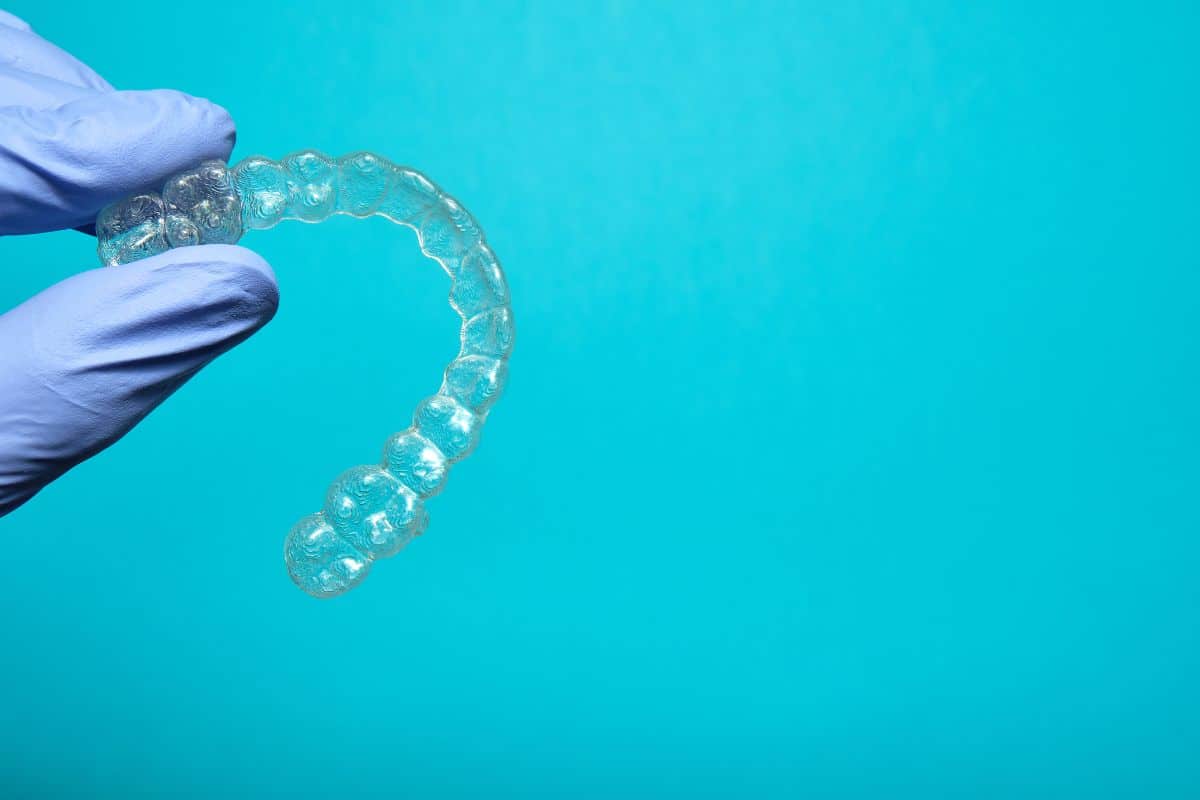
Invisalign has become a go-to choice for people who want a discreet, comfortable, and flexible orthodontic treatment. But as more people shift from metal braces to clear aligners, one question occasionally pops up: Can you have an allergic reaction to Invisalign?
While reactions are rare, they can happen — and understanding the signs, causes, and solutions can help you stay prepared throughout your smile-straightening journey. If you’re considering Invisalign treatment, this guide breaks everything down in a simple, helpful way.
How Invisalign Materials Interact With Your Body
Invisalign aligners are made from a medical-grade plastic known as SmartTrack, which is designed to be smooth, durable, and biocompatible. This material is generally very safe for daily wear.
Potential sources of sensitivity may include:
-
the plastic material itself (rare)
-
pressure points where aligners touch gums or cheeks
-
cleaning products used on the trays
-
saliva pH variations interacting with the aligner surface
Most people never experience any issues. But if your body is more reactive to certain plastics or chemicals, mild sensitivity can occur — and understanding the difference between normal adjustment discomfort and a true allergic reaction is essential.
How to Tell If It’s an Allergy or Normal Invisalign Discomfort
When you first start Invisalign, it’s normal to experience:
-
tightness
-
mild soreness
-
slight pressure
-
minor gum tenderness
These symptoms usually fade after a few days.
Possible signs of an allergic reaction may include:
-
swelling of the lips, gums, or tongue
-
burning sensations
-
persistent redness or irritation
-
unusual dryness or excess saliva
-
headaches or sinus pressure
-
a rash around the mouth
-
difficulty breathing (very rare — seek emergency help)
If any of these symptoms worsen or do not go away after taking your aligners out for a short period, it’s important to reach out to your orthodontist promptly.
Why Allergic Reactions to Invisalign Are Rare
True allergies to Invisalign are extremely uncommon due to:
- Biocompatible Materials
SmartTrack is designed specifically for safe, long-term oral use. It contains no BPA or latex, which are common allergens. - High-Quality Manufacturing Standards
Invisalign aligners are made with strict medical-grade quality control, reducing the risk of chemical residue or impurities. - Smooth, Non-Porous Surfaces
This reduces bacterial buildup that might otherwise cause irritation that can be mistaken for an allergic response. - Minimal Chemical Exposure
Unlike retainers or older clear aligner materials, Invisalign does not off-gas chemicals or release odors.
For most patients, Invisalign treatment moves forward smoothly without complications — which is one reason it’s a preferred option.
What to Do If You Suspect an Invisalign Allergy
If you feel uncomfortable symptoms, here’s what you can do:
‣ Remove the Aligners Temporarily
Take them out and see if symptoms improve within 12–24 hours.
‣ Clean the Aligners Properly
Use gentle cleaning methods such as:
-
clear liquid soap
-
Invisalign cleaning crystals
-
lukewarm water (never hot)
Avoid toothpaste or strong cleaning chemicals — they can irritate your mouth even if you’re not allergic.
‣ Switch to a New Set of Aligners
If your next tray is available, your orthodontist may have you switch early to see if irritation was specific to one aligner.
‣ Talk to Your Orthodontist
Your Invisalign provider can:
-
evaluate symptoms
-
check for gum irritation caused by misfit
-
smooth rough edges
-
adjust your treatment plan if needed
‣ Request a Biocompatibility Test (If Necessary)
In rare cases, providers can request a material test to ensure your body doesn’t react to SmartTrack plastic.
Tips to Prevent Sensitivity While Using Invisalign
To keep your mouth comfortable:
-
Clean aligners daily but gently
-
Rinse them every time you remove them
-
Brush and floss before reinserting aligners
-
Avoid hot or colored beverages while wearing aligners
-
Stay hydrated to reduce dry mouth
-
Use orthodontic wax if edges feel sharp
-
Inform your orthodontist about any past material sensitivities
These simple steps help you avoid irritation that may be mistaken for an allergy.
Is Invisalign Still Safe for Sensitive Patients?
Yes. Even if you tend to have sensitive skin or gums, Invisalign is typically safe. Most patients who initially think they have an “allergy” are actually reacting to:
-
improper cleaning methods
-
rough aligner edges
-
plaque buildup
-
mouth dryness
-
switching trays too quickly
Your orthodontist can easily help identify the real cause and guide you through solutions.
At Laidlaw Orthodontics, we closely monitor our Invisalign patients in Hillsboro to ensure comfortable, successful progress.
FAQs
Q. Can Invisalign cause skin or lip irritation?
A. Yes, though it’s usually due to friction from the aligner edges, not an allergy. Your orthodontist can smooth the edges easily.
Q. Is SmartTrack plastic toxic?
A. No. Invisalign’s SmartTrack material is medical-grade, BPA-free, and designed for long-term contact with oral tissues.
Q. Can cleaning products trigger irritation?
A. Yes. Strong solutions like mouthwash, denture tablets, or toothpaste may cause chemical irritation. Always use mild cleaners.
Q. What if my tongue feels irritated?
A. This is usually from rubbing on a sharp edge, not an allergy. Ask your orthodontist to polish the aligner.
Q. Should I stop treatment if I suspect a reaction?
A. Temporarily remove the aligners and contact your orthodontist for guidance. Most issues are fixable without stopping treatment.
Q. Do Invisalign attachments cause allergies?
A. Attachments are made from dental composite, which rarely causes reactions. Irritation is more likely to be mechanical, not material-related.
Q. Can Invisalign worsen dry mouth?
A. It can in some patients, which may create irritation. Staying hydrated usually helps.
Q. Is Invisalign safe for people with latex allergies?
A. Yes. Invisalign contains no latex, making it safe for patients with latex sensitivities.
Final Takeaway on Invisalign and Allergic Reactions
While it’s possible to experience sensitivity or discomfort with Invisalign, true allergic reactions are extremely rare. The majority of symptoms come from normal adjustment, improper cleaning, or gum irritation rather than the material itself.
If anything feels unusual or persistent, your orthodontist can help determine whether the issue is medical, mechanical, or environmental — and provide fast, effective solutions.
Your Invisalign journey should feel smooth, safe, and predictable, and with proper care and communication, you can stay on track toward a confident smile.
