
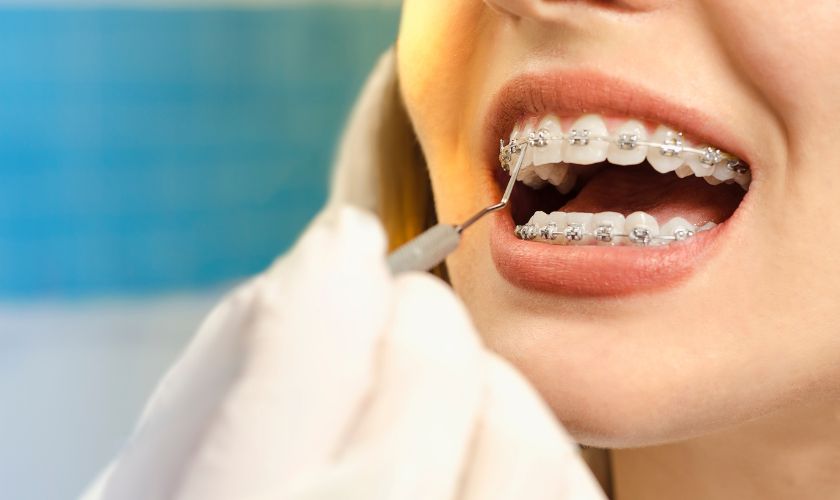
The world of orthodontics is constantly evolving, offering exciting new options for achieving a straighter, healthier smile. Gone are the days of bulky metal braces being the only solution. Today, patients of all ages can benefit from cutting-edge technologies and techniques that make orthodontic treatment more comfortable, efficient, and discreet. Whether you’re considering treatment for yourself or your child, staying informed about these advancements can empower you to make the best decision.
The Digital Revolution in Orthodontics
Digital technology has revolutionized orthodontics, offering a more precise and efficient approach to treatment planning and diagnostics. Here are some key innovations:
- 3D Imaging and Scanning: Traditional dental impressions, involving messy alginate trays, are becoming a thing of the past. Intraoral scanners create highly accurate 3D digital models of your teeth and jaw structure. This technology allows orthodontists to visualize your unique anatomy and plan treatment with greater precision, leading to better outcomes.
- Digital Treatment Planning Software: Using 3D models, orthodontists can utilize sophisticated software to create personalized treatment plans, simulate tooth movements, and predict final results. This allows for more predictable outcomes and facilitates discussions about treatment options with patients.
- Clear Aligner Therapy Advancements: Clear aligners, a popular alternative to traditional braces, are constantly being improved. New materials offer increased comfort and better tooth-tracking capabilities, making them suitable for a wider range of orthodontic cases. Additionally, digital technology allows for the creation of customized aligner trays that fit perfectly and provide more efficient tooth movement.
Accelerated Orthodontics: Faster Results without Compromise
For patients seeking a quicker path to a straighter smile, accelerated orthodontic techniques are emerging. These methods aim to speed up the biological process of bone remodeling, allowing teeth to move more efficiently:
- Micro-osteoperforations (MOP): This minimally invasive technique involves creating tiny perforations in the jawbone near the teeth that need to be moved. These perforations stimulate bone activity and facilitate faster tooth movement.
- Low-Level Laser Therapy (LLLT): LLLT involves applying low-energy laser beams to the jawbone. This painless therapy is believed to promote bone cell activity and accelerate tooth movement.
- Temporary Anchorage Devices (TADs): These tiny titanium screws are temporarily placed in the jawbone and act as anchors for orthodontic forces. TADs can be used to achieve more complex tooth movements with greater control and potentially shorten treatment time.
It’s important to note that not all patients are candidates for accelerated orthodontics. Your orthodontist will assess your individual needs and determine if these techniques are suitable for your treatment plan.
The Future of Orthodontics: What Lies Ahead?
The future of orthodontics is bright, with researchers and developers constantly pushing boundaries. Here are a few exciting possibilities on the horizon:
- Telemonitoring: Remote monitoring technologies might allow orthodontists to track treatment progress and adjust treatment plans virtually, reducing the need for frequent in-office visits.
- Biologics and Gene Therapy: Research is ongoing exploring the use of biologics and gene therapy to enhance bone remodeling and potentially shorten treatment times even further.
- Self-ligating Braces and Smart Wires: Advancements in bracket design and the use of “smart” wires with embedded sensors could offer more efficient and personalized tooth movement.
Finding the Right Orthodontist for Your Needs
With the ever-expanding array of orthodontic options available, choosing the right treatment can feel overwhelming. The key is to find a qualified orthodontist who stays up-to-date on the latest advancements and can discuss all available options with you. Here are some tips for finding the right orthodontist:
- Look for Board Certification: Seek an orthodontist who is board-certified by the American Association of Orthodontists (AAO). This certification signifies expertise in diagnosing and treating orthodontic problems.
- Schedule Consultations: Consult with several orthodontists to discuss your individual needs and preferences. Ask questions about their experience with different treatment options and their approach to care.
- Consider Your Comfort Level: Discuss your comfort preferences with the orthodontist. Some patients prioritize a discreet approach, while others may be comfortable with traditional braces. There are options to suit everyone!
By staying informed about the latest advancements in orthodontics and consulting with a qualified professional, you can achieve a beautiful smile efficiently and comfortably.
