
When most people think of orthodontics, straight teeth usually come to mind. But orthodontic care isn’t just about a perfect smile. Your jaw health, bite function, and overall oral comfort are closely tied to the alignment of your teeth.
Understanding this connection can help you appreciate the full impact of orthodontic treatment beyond aesthetics.
How Orthodontic Treatment Supports Jaw Alignment
Orthodontic treatment does more than straighten teeth; it carefully guides your jaw into a balanced, healthy position. Misaligned teeth or bite issues can place uneven pressure on your jaw joints, leading to discomfort, headaches, or difficulty chewing. Proper alignment helps distribute bite forces evenly, reducing stress on the temporomandibular joint (TMJ) and surrounding muscles.
Key Benefits:
-
Encourages natural jaw growth in younger patients
-
Minimizes wear and tear on teeth from uneven bites
-
Reduces jaw tension and associated headaches
For patients of all ages, orthodontic treatment can prevent small alignment issues from becoming major jaw problems later in life.
Signs Your Jaw Might Need Attention
Even with minor misalignment, your jaw can experience stress. Here are some signs to watch for:
-
Clicking, popping, or grinding sounds in the jaw
-
Frequent jaw pain or tension in the face
-
Difficulty opening or closing the mouth comfortably
-
Uneven tooth wear or bite issues
Noticing these early allows your orthodontist to address potential problems before they escalate, ensuring your jaw stays healthy alongside your smile.
How Braces and Invisalign Aligners Help Jaw Health
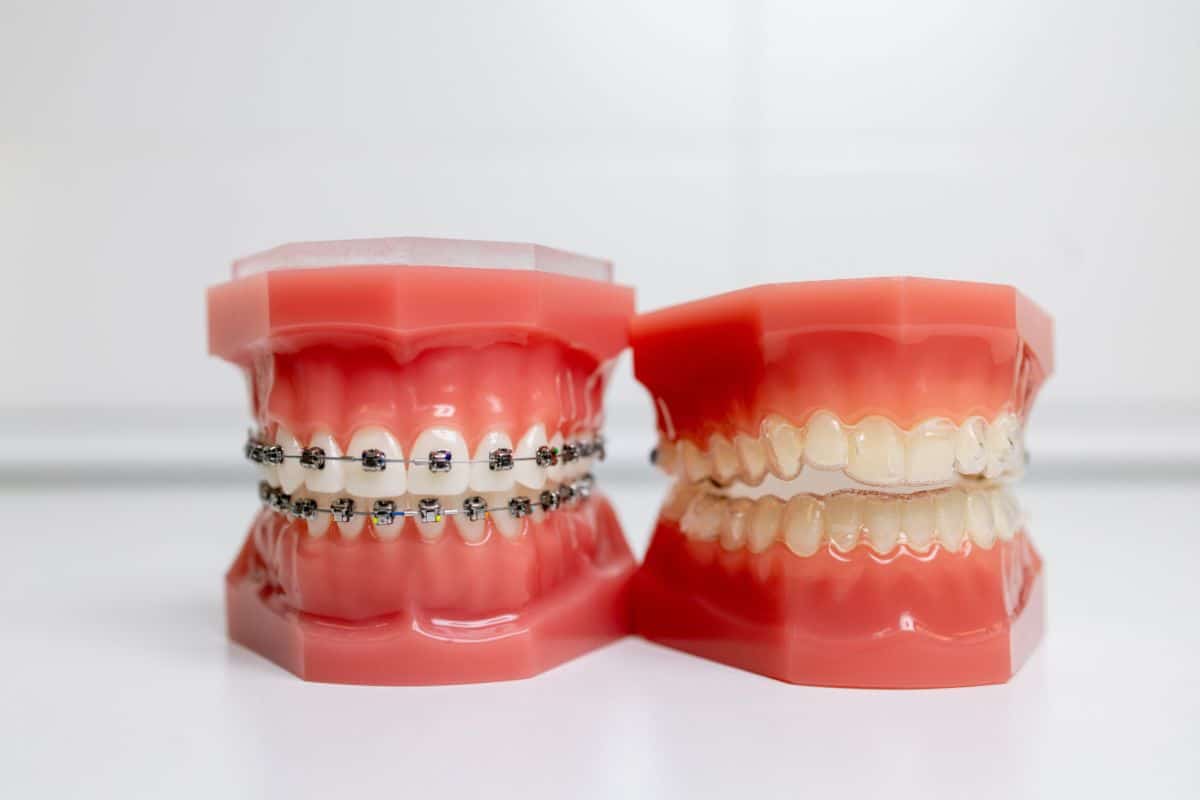
Braces and Invisalign aligners gently shift teeth into their ideal positions over time. This not only improves your smile but also corrects bite issues such as overbites, underbites, or crossbites that can strain your jaw.
Some ways orthodontic tools support jaw health include:
-
Realigning teeth to relieve pressure on the jaw joints
-
Guiding jaw growth in children and teens
-
Improving bite function for better chewing and speaking
The key is personalized treatment planning. Every jaw and bite is unique, and a customized approach ensures the best results for both appearance and function.
Lifestyle Adjustments That Complement Orthodontics
Supporting your jaw health goes beyond treatment devices. Small daily habits can make a big difference:
-
Avoid hard or sticky foods that strain teeth and jaw
-
Practice gentle jaw stretches if recommended by your orthodontist
-
Maintain good posture, as head and neck positioning can affect jaw stress
-
Use nighttime guards if you grind or clench your teeth
Combining professional care with smart habits keeps your jaw comfortable throughout your orthodontic journey.
When to Consult an Orthodontist About Jaw Concerns
Even minor discomfort or misalignment can have long-term effects on jaw health. Consult an orthodontist if you notice pain, limited movement, or bite problems.
Early intervention allows for smoother treatment and better outcomes, often preventing more complex issues down the road.
Protect Your Jaw Health with Expert Orthodontic Care in Hillsboro
At Laidlaw Orthodontics, we know that a beautiful smile starts with a healthy jaw. Proper alignment not only enhances your appearance but also supports long-term comfort, function, and overall oral health. Whether you’re noticing minor jaw tension or seeking a comprehensive orthodontic solution, Dr. Andrea Laidlaw and the expert orthodontic team are here to guide you every step of the way.
Don’t wait for discomfort to affect your daily life. Visit our dental office in Hillsboro to explore personalized orthodontic treatments that keep your jaw healthy and your smile confident. Your journey to lasting oral wellness starts today!
FAQs About Orthodontics and Jaw Health
1. Can braces help relieve jaw pain?
Yes. Braces or aligners can correct bite misalignment, which often reduces jaw tension and associated headaches.
2. How long does orthodontic treatment take to improve jaw alignment?
It varies. Minor adjustments may take a few months, while more complex cases can take one to two years, depending on your age and jaw condition.
3. Are clear aligners as effective as braces for jaw health?
Absolutely. When used as directed, clear aligners can correct misalignment and support proper bite function just as effectively as traditional braces.
4. Can orthodontics prevent TMJ disorders?
While not all TMJ issues are preventable, proper alignment through orthodontics can reduce stress on jaw joints and lower the risk of developing TMJ-related discomfort.
5. Do adults benefit from orthodontic treatment for jaw health?
Yes. Adults can experience improved bite function, reduced jaw pain, and enhanced long-term oral health through orthodontic care.
6. Is jaw discomfort common during orthodontic treatment?
Mild soreness is normal, especially after adjustments. It usually resolves within a few days as your teeth and jaw adapt to new positions.
7. How can I maintain jaw health after treatment?
Continue wearing retainers as instructed, maintain regular dental visits, and address any bite issues promptly to ensure lasting jaw comfort.
