
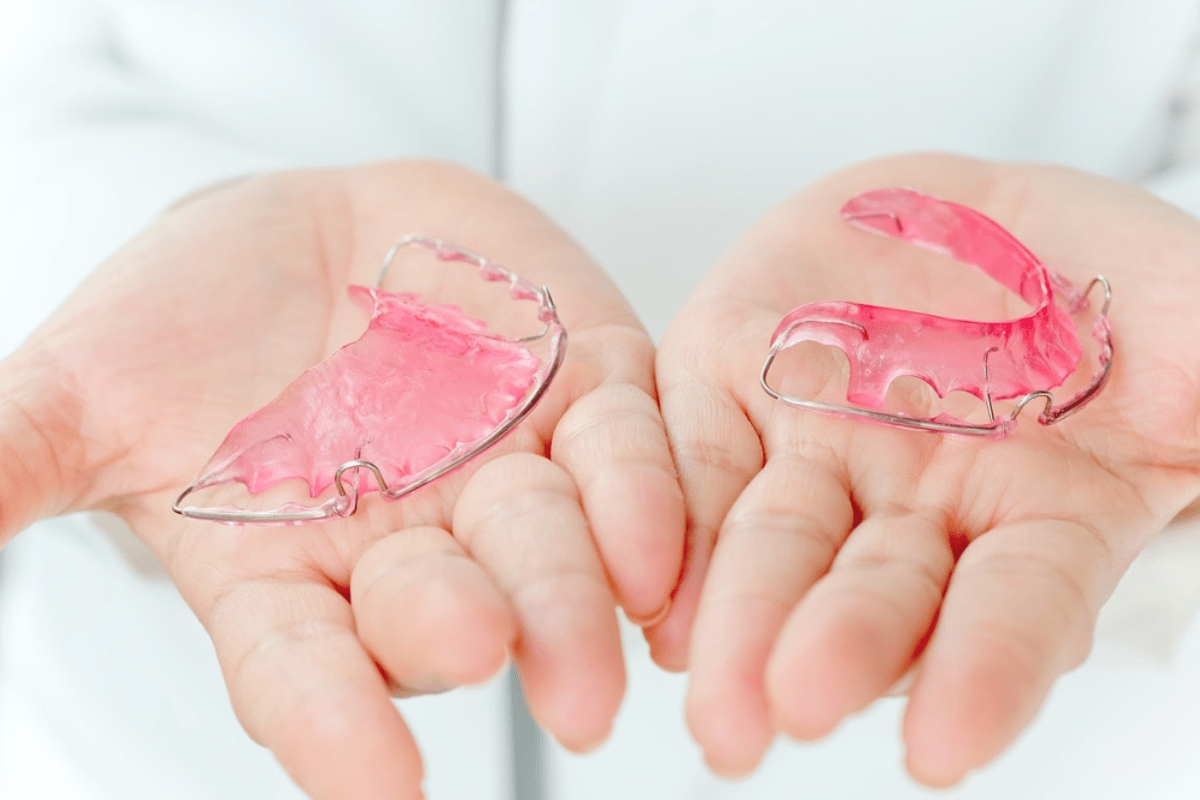
Wearing a retainer is an essential step after orthodontic treatment, but what happens when your retainer starts irritating your gums? This is a concern many patients bring up during their follow-up visits. A retainer should help keep your teeth aligned, not cause discomfort or inflammation. If you’ve recently noticed red, swollen, or tender gums, it could be your retainer causing the issue. As a leading orthodontist in Hillsboro, we’re here to help you understand the problem and find the right solution.
Let’s break down the possible reasons behind gum irritation from your retainer and what you can do to prevent it.
Common Signs Your Retainer Is Irritating Your Gums
Not sure if your discomfort is caused by your retainer? Here are a few signs to watch out for:
- Redness or swelling around the gum line
- Bleeding while brushing or flossing
- Pain or pressure when wearing the retainer
- Sore spots in the mouth, especially near the gums
- A persistent feeling that the retainer doesn’t fit properly
These symptoms may vary from mild to severe and could interfere with your ability to wear the retainer consistently. If you notice any of these warning signs, it’s a good idea to visit your orthodontist’s office as soon as possible.
What’s Causing the Irritation?
There’s no single reason why a retainer might cause gum discomfort. However, here are some of the most common culprits:
1. Poor Retainer Fit
If your retainer was not molded accurately or has become warped over time, it may press too hard on the gums or sit unevenly in your mouth. This uneven pressure can lead to localized irritation and inflammation.
2. Buildup of Bacteria
A dirty retainer can quickly become a breeding ground for harmful bacteria. When the retainer is placed in your mouth without being properly cleaned, these bacteria can lead to infections, bad breath, and gum disease.
3. Allergic Reaction to Materials
Some people are sensitive or allergic to the plastics or metals used in retainers. If you’re experiencing widespread gum irritation, it’s worth discussing material allergies with your orthodontist.
4. Improper Cleaning Techniques
Using toothpaste or harsh chemicals to clean your retainer can damage its surface and irritate your mouth. Always follow your orthodontist’s instructions for cleaning.
5. Inconsistent Wear
Not wearing your retainer as directed can allow your teeth to shift, which might make your retainer feel tight or uncomfortable. This unexpected pressure can also affect your gum health.
How to Prevent Gum Irritation from Your Retainer
The good news is that gum irritation caused by retainers can often be managed or completely prevented with a few adjustments:
- Clean Your Retainer Daily
Use a gentle retainer cleaner or mild soap with lukewarm water. Avoid hot water, toothpaste, or mouthwash, as they can damage the appliance. - Keep Your Gums Healthy
Brush and floss regularly, paying close attention to the gum line. Using an antimicrobial mouthwash can help reduce bacteria that contribute to irritation. - Stick to a Routine
Wear your retainer as instructed by your orthodontist. Inconsistent use can lead to discomfort and cause your teeth to shift, making the retainer less effective. - Store It Properly
When not in use, keep your retainer in its protective case. Avoid leaving it in the open air or placing it near heat, which can warp its shape. - Visit Your Orthodontist Regularly
Our orthodontist in Hillsboro can assess the fit of your retainer and make adjustments as needed. If you’re experiencing persistent discomfort, don’t wait—schedule an appointment.
When to Replace Your Retainer
Even the best-made retainers don’t last forever. Over time, materials wear down, making the appliance less effective or uncomfortable to wear. You might need a replacement retainer if:
- It feels tight or causes new pressure points
- You notice visible cracks or warping
- There’s a persistent foul odor even after cleaning
- Your gums remain irritated despite good hygiene
If you’re unsure whether your retainer needs replacement, it’s best to consult your orthodontist for expert advice.
Why Professional Help Matters
Trying to solve the problem on your own, like bending or trimming your retainer, can lead to more damage and discomfort. It’s essential to seek help from a skilled orthodontist who can properly evaluate the cause of irritation and recommend a solution. Our Hillsboro orthodontist specializes in post-treatment care and knows how to fine-tune your retainer to keep your smile healthy and pain-free.
Sometimes a simple adjustment is all it takes. Other times, your orthodontist may recommend switching to a different type of retainer that suits your needs better, like a clear Essix retainer or a bonded lingual option.
Protecting Your Smile for the Long Term
Retainers play a vital role in keeping your teeth aligned after braces or clear aligners. But discomfort should never be ignored. Left untreated, gum irritation can lead to receding gums, infection, or damage to your retainer. Taking action early can protect your oral health and help you get the most out of your orthodontic investment.
By keeping your retainer clean, checking for signs of damage, and scheduling regular follow-ups with your orthodontist, you’re setting yourself up for long-term success. Remember—retainers are meant to preserve your smile, not cause pain.
If you suspect your retainer is the reason behind your gum irritation, don’t wait for the problem to get worse. Laidlaw Orthodontics is here to help. Contact us today to schedule an appointment with our Hillsboro orthodontist.
