
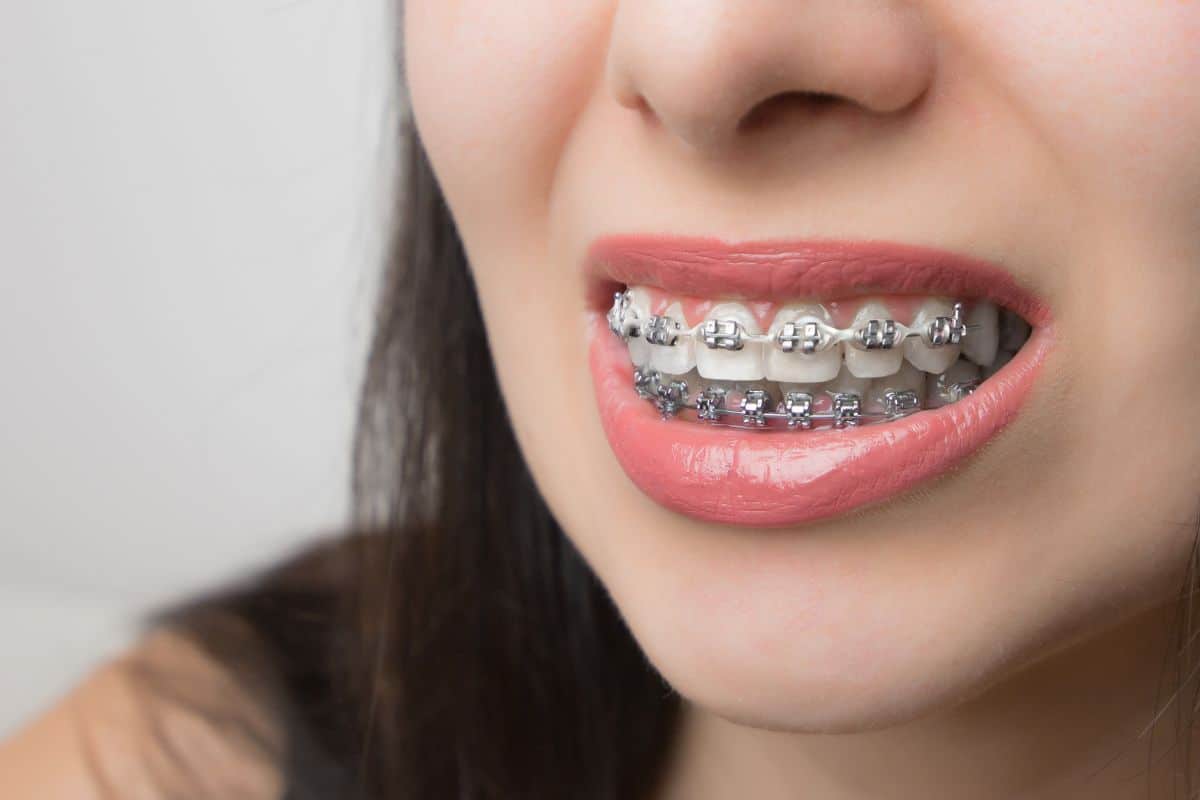
If you’ve recently had your braces adjusted and suddenly feel uncomfortable pressure or tightness, you’re not alone. Many people—especially during the first few days after an adjustment—experience noticeable soreness. While this can be frustrating, it’s actually a normal part of the orthodontic process. The key is knowing what’s normal, what isn’t, and how you can stay comfortable while your smile transforms.
Why Braces Sometimes Feel Too Tight
Braces work by gently shifting your teeth over time. Each adjustment slightly increases the pressure needed to move the teeth into their ideal positions.
You may feel tightness due to:
-
A recent wire tightening
-
New elastics or power chains
-
A wire that is thicker than before
-
Regular shifting of teeth as they respond to treatment
-
Swelling of your gums as they adapt to pressure
This sensation typically lasts for a few days and should gradually lessen as your mouth adjusts.
Effective Ways to Ease Tightness and Soreness
If the tightness becomes uncomfortable, there are several reliable and safe ways to find relief.
‣ Use Over-the-Counter Pain Relief
Medications like ibuprofen or acetaminophen may help reduce inflammation and soreness. These are especially helpful within the first 24–48 hours after an adjustment. Always follow the dosage instructions on the label.
‣ Apply Orthodontic Wax
If tightness causes brackets or wires to irritate your cheeks or lips, orthodontic wax can create a smooth barrier. This reduces friction and can significantly improve comfort.
‣ Switch to Soft Foods
For the first few days after an adjustment, soft foods are your best friend. Try options like:
-
Mashed potatoes
-
Yogurt
-
Smoothies
-
Oatmeal
-
Scrambled eggs
-
Soft pasta
Avoid crunchy or chewy foods as they can increase discomfort.
‣ Try a Warm Saltwater Rinse
A simple saltwater rinse can help soothe irritated gums and reduce inflammation. Mix half a teaspoon of salt into a glass of warm water and swish gently for 30 seconds.
‣ Cold Compress or Ice Water
Cold therapy can help numb soreness. A cold compress applied to the outside of your jaw or sipping chilled water can help reduce swelling and tightness.
When Tightness Is Not Normal
Most tightness is completely expected, but there are situations where you should contact your orthodontist.
Reach out if you notice:
-
Pain that worsens instead of improving
-
Severe pressure that lasts more than five days
-
A poking wire
-
A loose bracket
-
Difficulty chewing due to excessive tightness
-
Sores that won’t heal
These could indicate something that needs adjustment or repair.
Tips to Prevent Discomfort After Future Adjustments
While some tightness is unavoidable, you can make the experience easier with a few preventive practices.
- Maintain Excellent Oral Hygiene
Clean teeth and gums respond better to orthodontic pressure. Brush and floss daily to keep your mouth healthy and reduce inflammation.
- Stay Consistent with Your Appointments
Skipping or delaying appointments can sometimes make adjustments feel more dramatic. Sticking to your scheduled visits helps keep changes gradual and manageable.
- Stay Hydrated
Dry mouth can worsen irritation around brackets and wires. Drink plenty of water throughout the day to keep tissues moist and comfortable.
- Follow All Orthodontic Instructions
If your orthodontist provides special elastics, appliances, or dietary guidelines, following them consistently helps teeth move in the right direction and reduces unnecessary pressure.
The Importance of Not Skipping Adjustments
It can be tempting to avoid your next appointment if your braces feel tight, but skipping adjustments can slow your progress and sometimes make discomfort worse later on. Each visit is planned to ensure your teeth shift gradually and safely. Staying consistent helps prevent excessive tightness or unexpected pressure.
When to Call Your Orthodontist Right Away
While soreness is normal, certain symptoms may require urgent attention:
-
A wire that breaks or pops out
-
Swelling that worsens
-
A bracket that completely detaches
-
A sensation that something is “too tight to bite down”
-
Feeling like your teeth are shifting in the wrong direction
Never hesitate to contact your orthodontist if something feels off. Quick fixes can prevent bigger issues.
FAQs
Q. How long does tightness last after braces adjustment?
A. Most discomfort lasts 1–3 days. For some, mild tightness may linger up to a week.
Q. Is it normal for my braces to hurt suddenly?
A. Yes, especially after an adjustment. Sudden discomfort can be from shifting teeth, new elastics, or pressure on previously unmoved teeth.
Q. Can I speed up relief from tight braces?
A. Soft foods, orthodontic wax, cold compresses, and over-the-counter pain relievers often help speed comfort.
Q. Should I eat before or after an adjustment?
A. Eating beforehand is helpful because teeth may feel tender afterward.
Q. Why does only one tooth hurt?
A. Isolated soreness means that tooth is moving more actively. This is normal unless the pain is severe.
Q. Can tight braces damage my teeth?
A. No—tightness means the braces are working properly. Severe or increasing pain may need evaluation.
Q. What foods should I avoid when my braces feel too tight?
A. Avoid hard, crunchy, and sticky foods such as nuts, tough bread, candy, and popcorn.
Q. Do braces feel tighter before they come off?
A. Not usually. The final phase tends to involve lighter adjustments.
Final Takeaway
Feeling tightness after a braces adjustment is a normal part of your orthodontic journey. With simple home remedies, good oral care, and consistent communication with your orthodontist, you can stay comfortable throughout treatment. If you’re looking for guidance or care from an expert orthodontist in Hillsboro, Laidlaw Orthodontics is dedicated to making every step of the process as smooth as possible.
