
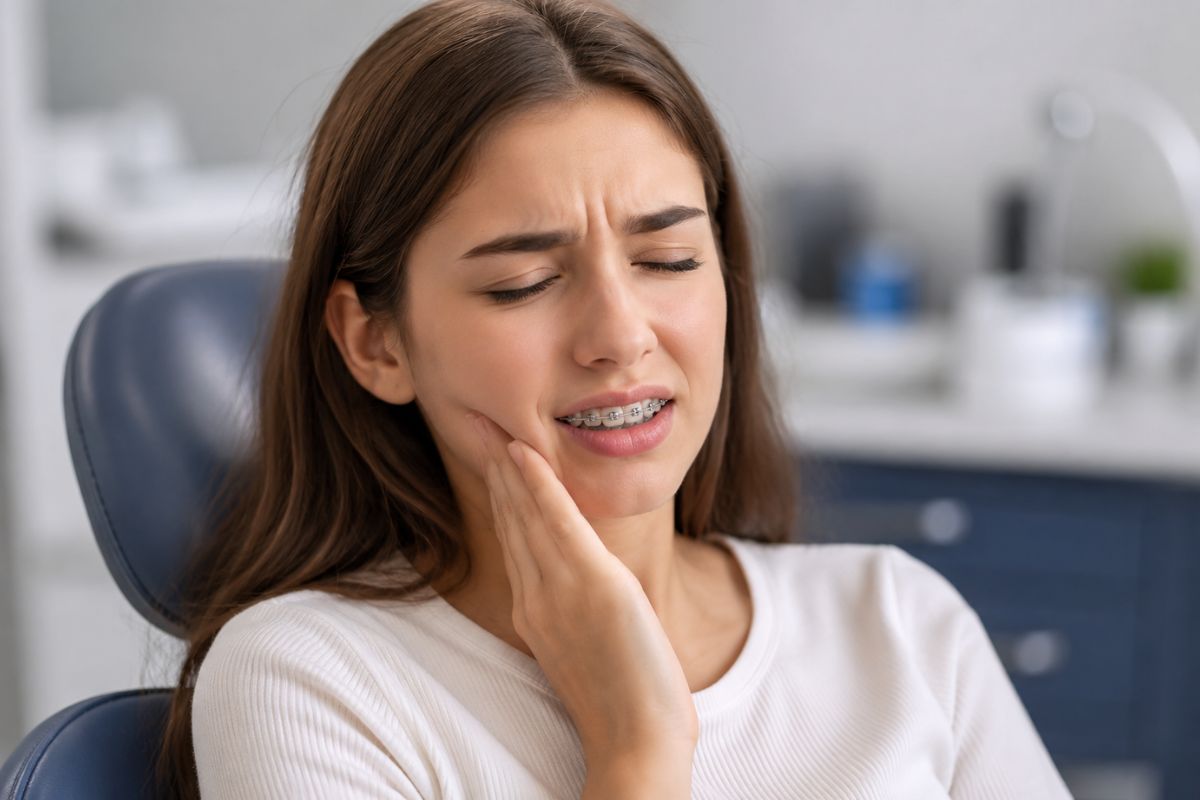
You finally take the step toward a straighter smile, and then it happens. You sip a cold drink or bite into something crunchy, and suddenly your teeth feel more sensitive than usual. If this sounds familiar, you are not alone.
Many people experience some level of tooth sensitivity during orthodontic care. While it can be frustrating, it is often a normal part of the process as your teeth gradually move into new positions. Understanding why sensitivity happens and what you can do about it can make your treatment journey much more comfortable.
Why Does Orthodontic Treatment Sometimes Cause Tooth Sensitivity?
When orthodontic treatment begins, controlled pressure is applied to your teeth to guide them into better alignment. As the teeth move through the jawbone, the surrounding tissues respond to these changes.
This process can temporarily make teeth more sensitive, especially during the first few days after adjustments. The sensitivity may occur because the nerves inside the teeth react to pressure.
In many cases, this feeling is completely normal and tends to improve as your mouth adapts to treatment.
Common Reasons Your Teeth May Feel Sensitive
Not all sensitivity comes from the same source. Several factors can contribute to discomfort during orthodontic care.
Tooth Movement
The most common cause is the movement itself. Teeth are connected to the jawbone through specialized ligaments. As these structures adapt to new positions, mild soreness and sensitivity can occur.
Patients often notice this feeling shortly after adjustments when the teeth are actively responding to new pressure.
Recent Adjustments
Orthodontic appointments are designed to keep treatment progressing. After adjustments, it is normal to experience temporary tenderness for a few days.
This discomfort is often most noticeable when chewing food or biting down.
Exposure to Hot and Cold Temperatures
Some patients become more aware of temperature changes during treatment. Ice water, hot coffee, and certain foods may trigger brief sensitivity that was not noticeable before treatment began.
Gum Irritation
As teeth shift into new positions, the surrounding gum tissue may become slightly irritated. Inflamed gums can sometimes contribute to increased sensitivity around the affected teeth.
Enamel Wear and Oral Hygiene Challenges
Brackets and wires can make brushing and flossing more difficult. If plaque accumulates around the teeth, it may increase the risk of enamel wear or gum inflammation, both of which can contribute to sensitivity.
When Is Tooth Sensitivity Considered Normal?
A certain amount of sensitivity is expected during orthodontic treatment, particularly:
- During the first week after treatment begins
- For several days following adjustments
- When chewing harder foods
- After changing elastics or other orthodontic components
The discomfort is usually mild to moderate and gradually improves on its own.
If sensitivity becomes severe, continues for an extended period, or affects only one specific tooth, it is important to let your orthodontist know.
Practical Ways to Reduce Tooth Sensitivity
The good news is that there are several simple steps you can take to make treatment more comfortable.
Choose Softer Foods After Adjustments
For the first few days after an appointment, softer foods can reduce pressure on sensitive teeth. Options such as yogurt, mashed potatoes, soup, pasta, scrambled eggs, and smoothies are often easier to eat while your teeth adjust.
Use Toothpaste Designed for Sensitive Teeth
Specially formulated toothpaste can help reduce sensitivity by protecting exposed areas of the tooth and calming nerve responses over time. Consistent use often provides noticeable relief.
Maintain Excellent Oral Hygiene
Keeping your teeth and gums healthy is one of the best ways to prevent unnecessary sensitivity.
Focus on:
- Brushing carefully around brackets and wires
- Flossing daily
- Using recommended oral hygiene tools
- Attending regular dental cleanings
Healthy gums and clean teeth create a more comfortable orthodontic experience.
Avoid Extremely Hot or Cold Foods
If temperature changes trigger discomfort, try consuming foods and beverages at moderate temperatures until the sensitivity improves.
Stay Consistent With Orthodontic Instructions
Following treatment recommendations helps keep tooth movement predictable and efficient. Patients who consistently follow instructions often experience fewer treatment-related complications.
What Happens as Treatment Progresses?
Many patients are relieved to learn that sensitivity usually decreases over time.
As your teeth adapt to orthodontic forces, the discomfort often becomes less noticeable. Future adjustments may still cause temporary tenderness, but many patients find that each adjustment becomes easier to manage than the last.
The temporary sensitivity is often a small trade-off for the long-term benefits of a healthier bite and a straighter smile.
A Comfortable Smile Journey Starts with the Right Care
Orthodontic treatment is an investment in your future smile, and some temporary sensitivity can be part of the process. Understanding the causes and knowing how to manage discomfort can help you stay focused on your goals rather than the occasional soreness.
With proper care, good oral hygiene, and regular orthodontic visits, most patients navigate treatment successfully and enjoy lasting results.
Keep Your Smile Moving Forward in Hillsboro
A little sensitivity should never keep you from achieving the smile you deserve. If you have questions about discomfort during treatment or want personalized guidance for your orthodontic journey, professional support can make all the difference.
At Laidlaw Orthodontics, we believe every patient deserves a smooth and positive treatment experience. Visit our dental office in Hillsboro and let our team guide you toward a healthier, more confident smile with personalized care every step of the way.
FAQs About Tooth Sensitivity During Orthodontic Treatment
1. Is tooth sensitivity normal during orthodontic treatment?
Yes. Mild sensitivity is common, especially when treatment begins or after adjustments. It happens because the teeth and surrounding tissues respond to the pressure required for movement.
2. How long does sensitivity usually last after an adjustment?
Most patients notice sensitivity for a few days after an adjustment. The discomfort typically improves gradually as the teeth adapt to the new forces.
3. Can sensitive toothpaste really help?
Yes. Many patients find that toothpaste formulated for sensitive teeth reduces discomfort over time. Consistent use often provides the best results.
4. Should I avoid certain foods when my teeth feel sensitive?
Softer foods are often easier to eat when teeth are tender. Avoiding extremely hard, crunchy, hot, or cold foods can also help minimize discomfort.
5. Can poor oral hygiene worsen sensitivity?
Absolutely. Plaque buildup and gum inflammation can increase sensitivity. Good brushing and flossing habits help keep your mouth healthier and more comfortable.
6. When should I call my orthodontist about sensitivity?
Contact your orthodontist if you experience severe pain, swelling, prolonged discomfort, or sensitivity that seems isolated to a single tooth.
7. Does tooth sensitivity mean treatment is not working?
Not at all. In many cases, mild sensitivity is a sign that teeth are responding to treatment. It is often a normal part of the process and typically improves with time.
