
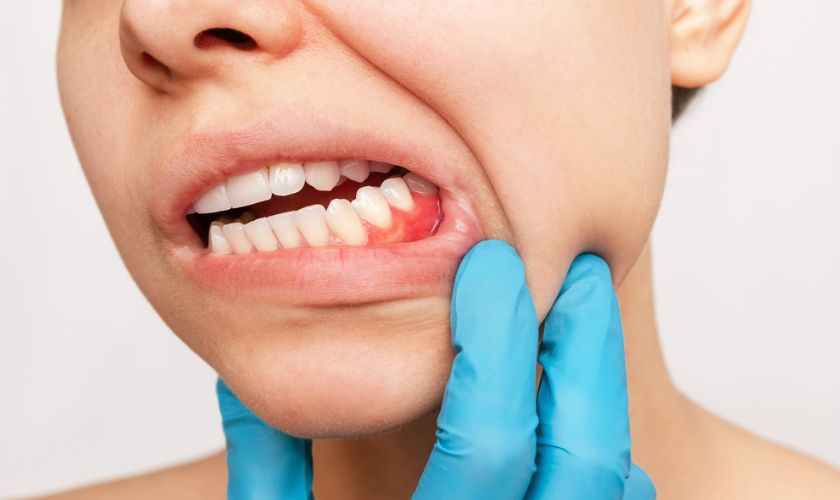
Gum inflammation, or gum disease, is a common problem for many people undergoing orthodontic treatment but it doesn’t have to be. There are several simple steps that can be taken to reduce the risk of developing gum inflammation. In this blog post, we will discuss what causes gum inflammation during orthodontic treatment, as well as preventive measures that can be taken to reduce the risk of developing this condition.
What Causes Gum Inflammation During Orthodontic Treatment?
Gum inflammation during orthodontic treatment is oftentimes caused by plaque buildup in and around the brackets, wires, and other components of your braces. Plaque is a sticky, colorless film of bacteria that collects on the teeth and gums, leading to inflammation. Other factors such as poor oral hygiene or mouth breathing can also increase your risk for gum inflammation.
1) How to Prevent Gum Inflammation During Orthodontic Treatment
There are several things you can do to prevent gum inflammation during orthodontic treatment, including:
-Brushing your teeth at least twice a day with a soft-bristled toothbrush
-Flossing regularly with waxed floss
-Using an antimicrobial mouthwash to reduce plaque buildup and kill harmful bacteria
-Visiting your dentist for regular checkups and cleanings
2) The Importance of Good Oral Hygiene
Good oral hygiene is critical for preventing gum inflammation during orthodontic treatment. It’s important to brush and floss your teeth after every meal and snack, as well as use an antimicrobial mouthwash to reduce plaque buildup. In addition, you should visit your dentist regularly for checkups and cleanings to ensure that any potential problems are caught early on.
3) Tips for Managing Gum Inflammation
If you are already experiencing gum inflammation during orthodontic treatment, there are several things you can do to manage it:
-Using a special orthodontic brush to clean around the brackets and wires of your braces
-Soaking dental appliances in a special solution to kill bacteria
-Avoiding hard, crunchy, and sticky foods that can damage your braces
-Using fluoride toothpaste to reduce plaque buildup
-Visiting your dentist or orthodontist for regular checkups
Conclusion:
Gum inflammation during orthodontic treatment is a common problem but it doesn’t have to be. By following a few simple steps, you can reduce your risk of developing gum inflammation and ensure that your smile remains healthy throughout your orthodontic treatment.
FAQs:
1) How often should I brush and floss during orthodontic treatment?
You should brush and floss your teeth at least twice a day and use an antimicrobial mouthwash to reduce plaque buildup.
2) What should I do if I already have gum inflammation?
If you are already experiencing gum inflammation, it’s important to visit your dentist or orthodontist for a checkup. You can also use a special orthodontic brush to clean around the brackets and wires of your braces, soak dental appliances in a special solution to kill bacteria, avoid hard, crunchy, and sticky foods that can damage your braces, and use fluoride toothpaste to reduce plaque buildup.
3) Can I still eat certain foods during orthodontic treatment?
Yes, you can still eat certain foods during orthodontic treatment but it’s important to avoid hard, crunchy, and sticky foods that can damage your braces.
