
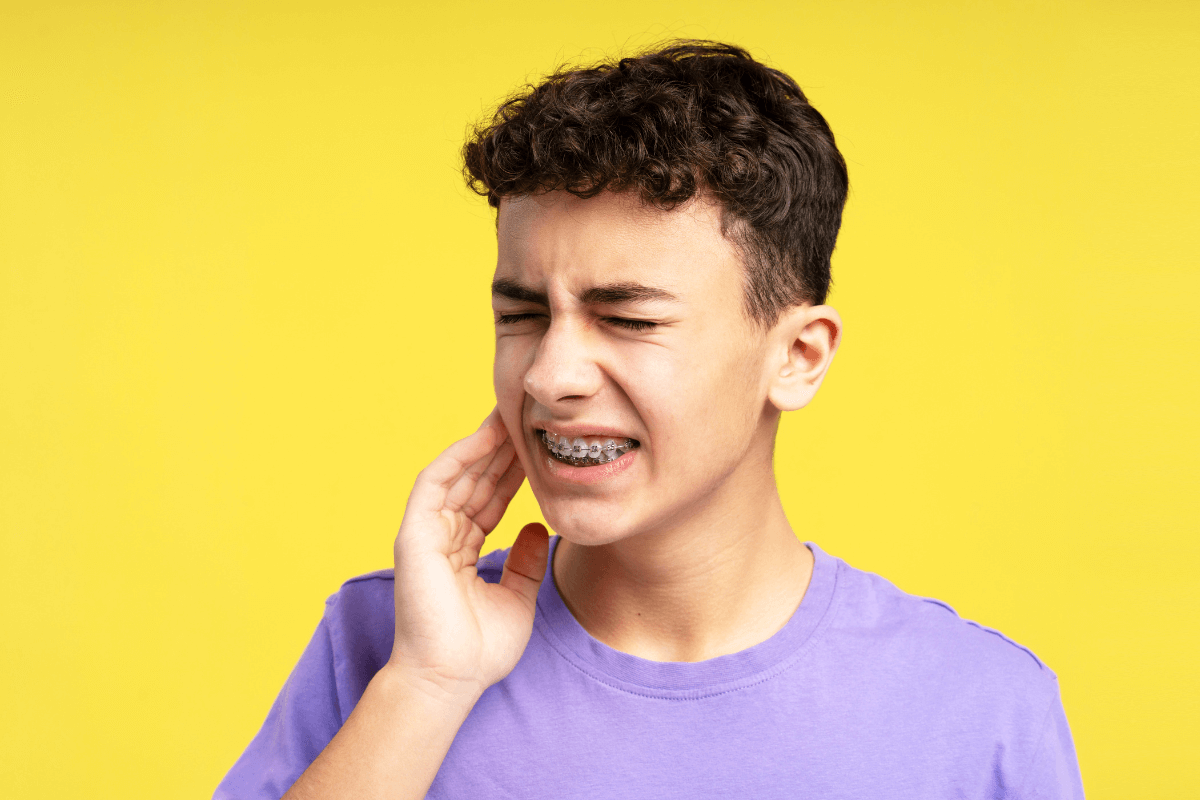
Getting braces is an exciting step toward a straighter, healthier smile—but anyone who’s worn them knows that discomfort is part of the journey. Whether it’s the initial placement or a routine adjustment, soreness and sensitivity are common. The good news? There are many simple ways to ease the pain and make the process more comfortable.
If you’re searching for ways to manage braces pain, this guide will help. We’ll cover why braces hurt, quick relief tips, long-term comfort strategies, and when it’s time to call your orthodontist.
Why Braces Cause Discomfort
Braces work by applying gentle, steady pressure on your teeth to shift them into better alignment. While effective, this pressure affects not just the teeth but also the gums and jawbone, leading to soreness. Here are a few common reasons you may feel discomfort:
-
Initial adjustment period – When you first get braces, your mouth needs time to adapt.
-
Tightening appointments – After each adjustment, teeth are slightly repositioned, causing temporary soreness.
-
Irritation from wires and brackets – The metal components may rub against the inner cheeks or lips.
-
Increased sensitivity – Teeth can become more sensitive to pressure, hot, or cold foods.
Most of this discomfort is normal and fades within a few days. Still, knowing how to ease it can make a huge difference.
Quick Relief Tips for Braces Pain
When braces start hurting, you don’t have to wait it out. Try these proven remedies to reduce discomfort:
-
Use orthodontic wax – Place wax over brackets or wires that rub against your mouth.
-
Take over-the-counter pain relievers – Ibuprofen or acetaminophen can reduce soreness (check with your doctor first).
-
Apply an ice pack – Cold compresses on your cheeks can numb pain and reduce swelling.
-
Rinse with warm salt water – This soothes irritation and helps with mouth sores.
-
Stick to soft foods – Yogurt, mashed potatoes, smoothies, and scrambled eggs are gentle on sore teeth.
Long-Term Comfort Strategies
While quick fixes help in the moment, building good habits can minimize pain over the long haul.
-
Stay consistent with oral hygiene – Brushing and flossing regularly prevents gum inflammation, which can worsen discomfort.
-
Avoid hard and sticky foods – Chewy candy, popcorn, and ice can bend wires and cause pain.
-
Wear a mouthguard during sports – Protects teeth and braces from accidental bumps.
-
Use orthodontic wax regularly – Don’t wait for irritation to get severe; apply wax as soon as you notice rubbing.
-
Drink plenty of water – Staying hydrated helps prevent dry mouth, which can make irritation worse.
When to Call Your Orthodontist
Mild pain is normal, but sometimes braces discomfort signals a bigger issue. Contact your orthodontist if you notice:
-
A broken wire poking into your cheek or gums
-
Severe, lasting pain that doesn’t improve with at-home care
-
Mouth sores that don’t heal
-
Brackets or bands that have come loose
Your orthodontist can quickly fix these issues so you can stay comfortable and keep your treatment on track. At Laidlaw Orthodontics, our Hillsboro orthodontist makes sure patients feel supported at every stage of their smile journey.
How to Stay Positive During Braces Treatment
Braces are temporary, but the benefits last a lifetime. Keeping a positive outlook can help you stay motivated through the occasional discomfort. A few reminders:
-
Braces pain usually lasts only a few days after adjustments.
-
Each adjustment means you’re closer to your dream smile.
-
Talking with your orthodontist about concerns can ease worries.
FAQs About Braces Pain
Q. How long does braces pain usually last?
Discomfort usually lasts 2–3 days after initial placement or an adjustment, then gradually fades.
Q. Can I use numbing gels for braces pain?
Yes, gels like Orajel can be applied directly to sore spots for temporary relief.
Q. Do braces hurt more for adults than kids?
Adults may feel slightly more discomfort since teeth are less flexible, but pain levels vary.
Q. What foods should I eat when my braces hurt?
Soft foods like soup, oatmeal, pasta, and smoothies are ideal during sore periods.
Q. Is it normal if only one tooth hurts?
Yes, sometimes only certain teeth are shifting more actively, which causes localized soreness.
Q. Will braces pain get better over time?
Absolutely—your mouth adapts with each adjustment, and discomfort becomes easier to manage.
Final Takeaway
Braces pain is a normal part of the process, but it doesn’t have to take over your life. From quick remedies like ice packs to long-term habits like avoiding hard foods, there are plenty of ways to make braces more comfortable.
And remember—you don’t have to go through it alone. If discomfort feels overwhelming or something doesn’t seem right, reach out to our Hillsboro team. At Laidlaw Orthodontics, we’re here to make sure your smile journey is as smooth and comfortable as possible.
