
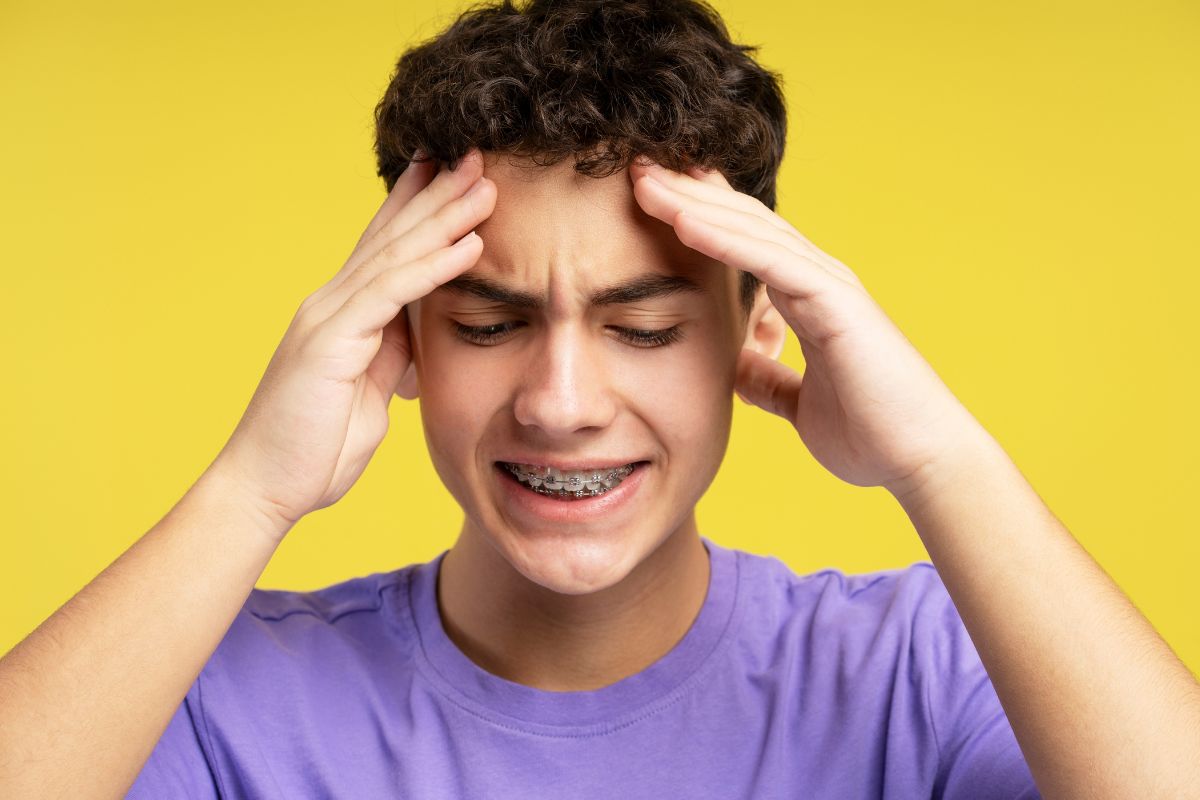
When people think about orthodontic treatment, they usually picture straighter teeth and a better smile—not headaches. Yet it’s common for new patients to wonder whether braces can lead to head pain during treatment. If you’ve been searching for answers before starting your journey with braces, this guide breaks down why headaches can happen, how long they last, and what you can do to feel better.
At Laidlaw Orthodontics, many patients ask about discomfort, especially in the early phase of treatment. The truth is, braces can cause mild headaches—but usually for predictable, temporary reasons. Let’s dive into why this happens and what actually helps.
Why Braces Might Trigger Headaches
Braces work by applying gentle, consistent pressure to shift your teeth. While this pressure is perfectly safe, it can activate surrounding nerves and muscles—especially if your bite is adjusting for the first time.
Here are the most common causes:
1. Pressure From Tooth Movement
During the first few days after braces go on—or after adjustments—your teeth begin responding to the new pressure. This can cause tenderness in:
-
Teeth
-
Jaw
-
Surrounding gums
-
Facial muscles
When these areas are irritated, the discomfort can radiate upward and feel like a headache.
2. Bite Changes During Treatment
As your teeth start shifting, your bite changes too. Even small bite changes can temporarily alter how your jaw muscles function.
This leads to:
-
Jaw tension
-
Soreness
-
Occasional pressure headaches
For patients with an overbite, underbite, or crossbite, these headaches may be slightly more noticeable during the early phase of bite correction.
3. Tight Muscle Activity
Your jaw muscles work hard to adapt when braces are new. If they tighten or compensate for changes, they can trigger tension headaches—similar to what you might feel from stress or jaw clenching.
4. Mouth Strain in the Beginning
The first week with braces requires your mouth to adapt:
-
Learning to chew differently
-
Holding your mouth in a new resting position
-
Adjusting your lips around brackets
This mild strain can play a role in early headaches, but it usually fades within days.
How Long Do Braces-Related Headaches Last?
Most patients feel mild to moderate headaches:
-
For 1–3 days after first getting braces
-
For 1–2 days after routine adjustments
These headaches should gradually decrease as your teeth, bite, and muscles adapt.
If you’re getting braces, your orthodontist will guide you on what’s normal—and when additional evaluation is needed. Persistent headaches aren’t typical and may require checking bite alignment or bracket tension.
Simple Ways to Reduce Headaches From Braces
While braces headaches are usually temporary, the discomfort can still be annoying. Thankfully, several home remedies offer quick relief.
1. Over-the-Counter Pain Relievers
Pain medications such as ibuprofen or acetaminophen can help reduce inflammation and discomfort. Always follow the recommended dosage.
2. Cold Compress for Quick Relief
Applying a cold pack to the sides of your face or jaw can help:
-
Numb soreness
-
Reduce swelling
-
Relax muscles
This is especially helpful after adjustments.
3. Orthodontic Wax
If brackets or wires are irritating your mouth, they can create unnecessary tension. Using orthodontic wax protects sensitive areas and reduces discomfort.
4. Soft Food Diet for a Few Days
Eating soft foods gives your jaw and teeth a break.
Great options include:
-
Smoothies
-
Mashed potatoes
-
Oatmeal
-
Yogurt
-
Scrambled eggs
Avoid crunchy or chewy foods immediately after adjustments.
5. Hydration Matters More Than You Think
Dehydration is a common cause of headaches. Braces can sometimes make you drink less water—especially if your mouth feels sore—so staying hydrated is key.
6. Warm Compress for Muscle Tension
If your headache is from muscle tightness rather than tooth movement, a warm compress helps relax the area.
When Headaches Aren’t Actually From Braces
Sometimes headaches happen during orthodontic treatment but aren’t caused by the braces themselves. Other factors may include:
-
Stress or clenching due to the new sensation
-
Sinus pressure
-
Hormonal changes
-
Poor sleep
-
Caffeine withdrawal
If you’ve recently started treatment, it’s easy to blame all discomfort on your braces. However, identifying other triggers can help you manage symptoms more effectively.
When You Should Contact Your Orthodontist
While occasional headaches are normal, you should reach out if you notice:
-
Headaches lasting longer than 3–4 days
-
Pain that gets worse instead of better
-
Jaw locking or clicking
-
Difficulty chewing
-
Suspicion that wires or bands feel too tight
Your orthodontist can make small adjustments with your braces, that significantly improve comfort. You should never feel like you have to push through constant pain.
Do Braces Cause Migraines?
Braces do not directly cause migraines, but people prone to migraines may notice triggers during early treatment, such as:
-
New muscle tension
-
Stress
-
Disrupted sleep from discomfort
If you already experience migraines, let your orthodontist know so your treatment plan can be adjusted for comfort.
FAQs
Q. Do braces always cause headaches?
A. Not always. Some patients experience mild headaches during the first few days, but many feel only minor soreness.
Q. Are headaches worse with metal braces or ceramic braces?
A. The type of material doesn’t cause headaches. The pressure applied—not the bracket style—determines comfort.
Q. Do rubber bands cause headaches?
A. Elastics can cause temporary headaches because they adjust your bite. The discomfort usually fades after a few days.
Q. Can braces cause jaw pain that leads to headaches?
A. Yes, jaw tension from bite changes can radiate upward, creating a tension-type headache.
Q. Can I prevent headaches completely?
A. While not always avoidable, you can reduce them with ice packs, soft foods, hydration, and proper pain relief.
Q. Should I skip adjustments if I get headaches?
A. No. Adjustments are essential for tooth movement. Instead, talk to your orthodontist about minimizing discomfort after appointments.
How Laidlaw Orthodontics Helps Reduce Discomfort
Patients at Laidlaw Orthodontics benefit from gentle, patient-focused treatment designed to reduce unnecessary soreness. This includes:
-
Using high-quality archwires that apply smoother pressure
-
Offering detailed instructions for easing discomfort
-
Providing wax, elastics guidance, and adjustment support
-
Tailoring bite corrections to reduce strain on the jaw
Your comfort is a priority throughout the entire process!
