
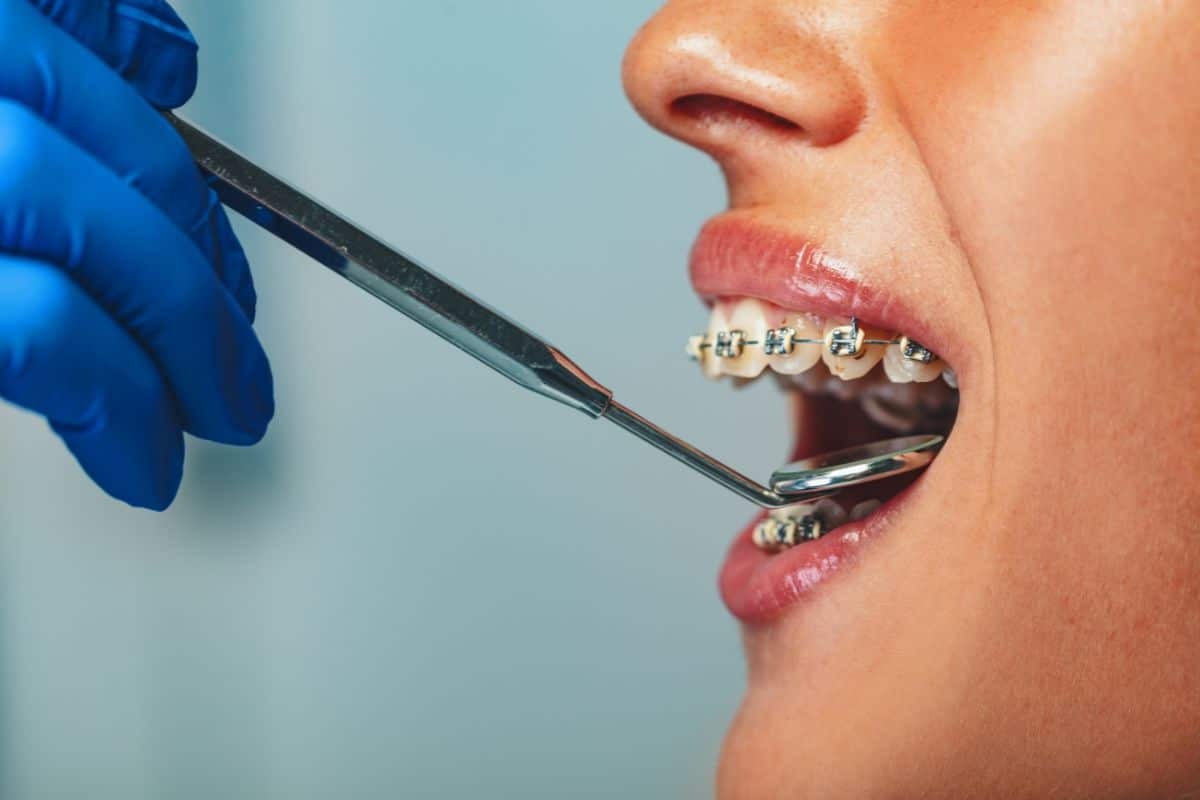
Dental braces add extra surfaces around your teeth where food and bacteria can collect. Even people with good brushing habits may find it more difficult to clean around brackets and wires.
When plaque remains on the teeth and along the gumline, it can irritate the gums and trigger inflammation. Swollen gums may appear puffy, red, or sensitive. In some cases, excessive plaque accumulation can also contribute to bad breath and increase the risk of cavities.
The good news is that a few simple habits can help you maintain healthy gums throughout your orthodontic treatment and keep your smile on the right track.
Focus on Thorough Brushing Every Day
Brushing becomes even more important during braces treatment. Since food particles can become trapped around orthodontic appliances, a quick brushing session may not be enough.
To improve your brushing routine:
- Brush after meals whenever possible.
- Angle your toothbrush toward the gumline and around brackets.
- Spend at least two minutes cleaning all tooth surfaces.
- Replace your toothbrush regularly when the bristles begin to wear.
An electric toothbrush can also help remove plaque more effectively around braces.
Do Not Skip Flossing
Many patients avoid flossing because it feels difficult with braces. However, skipping flossing allows plaque to accumulate between teeth where a toothbrush cannot reach.
Using floss threaders or orthodontic floss can make the process easier. Water flossers may also help remove debris and reduce bacteria around brackets and beneath wires.
Daily flossing plays a major role in keeping gum tissue healthy throughout treatment.
Watch What You Eat
Your diet directly affects plaque buildup and gum health. Sugary snacks and drinks feed bacteria in the mouth, which can lead to increased plaque formation.
Consider these habits:
- Drink more water throughout the day.
- Limit sticky and sugary foods.
- Choose fresh fruits and vegetables when possible.
- Rinse your mouth after eating if brushing is not immediately available.
Simple dietary choices can make it easier to maintain a cleaner mouth while wearing braces.
Pay Attention to Early Signs of Gum Irritation
Many people assume mild gum swelling is a normal part of braces treatment. While some temporary sensitivity can occur, persistent swelling should not be ignored.
Watch for signs such as:
- Red or puffy gums
- Bleeding during brushing or flossing
- Ongoing tenderness
- Bad breath that does not improve with brushing
Addressing these issues early can help prevent more significant oral health concerns.
Keep Up with Professional Cleanings
Even the most dedicated home care routine cannot remove hardened plaque deposits known as tartar. Regular dental cleanings help eliminate buildup that brushing and flossing cannot remove.
Professional cleanings also allow your dental team to monitor your gums and identify any concerns before they become larger problems. Maintaining routine appointments during orthodontic treatment is one of the best ways to protect your smile.
Use Recommended Oral Care Products
Not every oral care product works equally well for patients with braces. Your orthodontic team may recommend products specifically designed to support gum health and plaque control.
Helpful options may include:
- Fluoride toothpaste
- Antimicrobial mouth rinses
- Interdental brushes
- Water flossers
Using the right tools can make daily cleaning more efficient and comfortable.
A Healthier Smile Starts with Consistency
Preventing gum swelling and plaque buildup during braces treatment is not about perfection. It is about creating consistent habits that keep bacteria under control day after day.
Brushing carefully, flossing regularly, making smart food choices, and attending routine appointments can help you protect your gums while working toward the smile you want. Small efforts today can make a noticeable difference in your comfort, oral health, and final orthodontic results.
Keep Your Braces Journey on Track in Hillsboro
Healthy gums are an important part of successful orthodontic treatment. If you have concerns about gum swelling, plaque buildup, or maintaining your oral hygiene with braces, the team at Laidlaw Orthodontics is here to help.
We provide personalized guidance and support to help patients achieve healthier smiles throughout treatment. Visit our dental office in Hillsboro and learn how simple preventive care can keep your smile looking and feeling its best.
FAQs About Gum Health and Braces
1. Can braces cause gum swelling?
Yes. Braces can trap food particles and plaque around brackets and wires. If plaque is not removed effectively, the gums can become irritated and swollen.
2. How often should I brush my teeth with braces?
Most orthodontic patients should brush after every meal whenever possible. Consistent brushing helps remove food debris and reduces plaque buildup around braces.
3. Is bleeding while brushing normal during braces treatment?
Occasional bleeding may occur when gums are inflamed. However, frequent bleeding often signals plaque accumulation and should be addressed with improved oral hygiene.
4. What foods can increase plaque buildup with braces?
Sugary snacks, sticky candies, and sweet beverages can contribute to bacterial growth and plaque formation. Limiting these foods helps support healthier gums.
5. Can a water flosser replace traditional flossing?
A water flosser can be very helpful, but many patients benefit from combining it with traditional flossing methods for more complete cleaning between teeth.
6. Why do my gums look larger after getting braces?
Plaque accumulation can cause gum tissue to become inflamed and appear enlarged. Improving daily cleaning habits often helps reduce this swelling.
7. How can I tell if plaque is building up around my braces?
Common signs include a fuzzy feeling on the teeth, bad breath, gum irritation, and visible deposits around brackets. Regular brushing and professional cleanings can help manage plaque effectively.
