
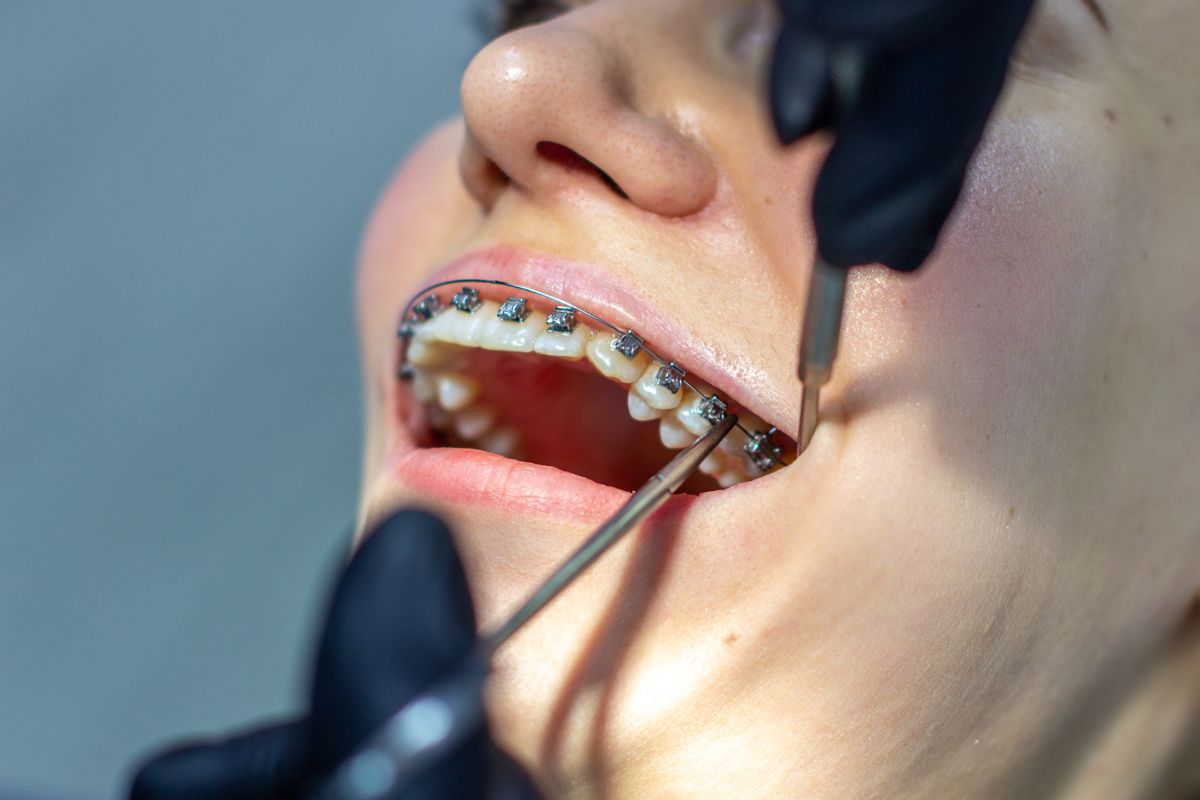
Braces are designed to gently guide your teeth into proper alignment, but accidents can happen anytime. A loose wire, a broken bracket, or a poking metal edge can cause discomfort, pain, or even worry about your orthodontic progress.
Knowing how to handle these situations can save time, reduce discomfort, and prevent further damage to your braces.
What to Do When Braces Break
When a brace breaks, the first step is to stay calm and assess the situation. The type of damage usually determines the best way to handle it. Here are some common scenarios and recommended actions:
1. Loose Wires
If a wire is poking your cheek or gums, gently try to push it back into place using a clean cotton swab or the eraser end of a pencil. If the wire won’t move, cover the sharp end with orthodontic wax, a small piece of cotton, or sugar-free chewing gum to protect your mouth and prevent irritation.
2. Loose Brackets
If a bracket becomes loose but remains attached to the wire, it’s best to leave it in place. If the bracket has completely detached and comes out easily, you can carefully remove it. Never force a stuck bracket. To prevent discomfort from any sharp edges, apply orthodontic wax over the area.
3. Protruding Wires
Sometimes, the wire may extend past the last bracket and poke the inside of your mouth. You can gently bend it back into place using a cotton swab. If this doesn’t work, covering the end with wax can provide temporary relief.
Never attempt to remove a wire that is embedded in your gums, cheek, or tongue. Doing so could cause injury. In these cases, or if discomfort persists, seek professional orthodontic care immediately.
Immediate Steps You Can Take at Home
These home remedies can help manage discomfort before you take professional care:
1. Soothing Irritated Cheeks and Gums
If a bracket or wire is rubbing your cheeks, cover it temporarily with orthodontic wax. You can roll a small piece into a ball and press it over the offending area. This acts as a protective barrier until you can get professional help.
2. Managing Poking Wires
Use a clean pair of tweezers to gently push a poking wire back into place. If it won’t budge, cover the end with wax to prevent it from cutting your mouth. In urgent cases, a small nail clipper (cleaned with rubbing alcohol) can carefully trim the wire—but only if you are confident and very careful.
3. Handling Loose Brackets
If a bracket is still attached to the wire, leave it in place and cover it with wax. Avoid trying to remove or re-glue it yourself. If it has come completely off, keep it in a clean container and bring it to your orthodontist for reattachment.
4. Temporary Pain Relief
Over-the-counter pain relievers, such as ibuprofen or acetaminophen, can help manage discomfort. Rinsing with warm salt water can also soothe minor mouth sores caused by poking wires or broken brackets.
When to Call Your Orthodontist
Even with temporary home fixes, emergency orthodontic care is necessary to keep your treatment on track. Call your orthodontist promptly if:
- A wire is deeply embedded in your gums or tongue.
- A bracket has completely detached.
- You notice severe pain, swelling, or bleeding.
- You are unsure how to secure a broken component safely.
Your orthodontist can quickly assess the situation, make necessary repairs, and ensure your braces are functioning properly. Timely intervention prevents prolonged discomfort and avoids extending your overall treatment time.
Preventing Braces Emergencies in Future
Here are some tips to protect your braces and reduce the risk of emergencies:
- Maintain Good Oral Hygiene: Brush and floss carefully to avoid loosening brackets or wires. Use orthodontic tools like interdental brushes or floss threaders for best results.
- Avoid Certain Foods: Hard, sticky, and chewy foods can damage braces. Cut foods like apples or carrots into smaller pieces before eating.
- Wear Protective Gear: If you play sports, always wear a mouthguard to protect your teeth and braces from impact.
- Check Braces Regularly: A quick daily check in the mirror can help you spot loose brackets or poking wires before they become painful.
Get Expert Care for Orthodontic Emergencies
Braces emergencies are common, but most can be managed with quick thinking and the right care. Whether it’s a loose bracket, a protruding wire, or a broken ligature, simple temporary solutions like orthodontic wax, careful trimming, or over-the-counter pain relief can help you stay comfortable until professional treatment is available.
At Laidlaw Orthodontics, Dr. Andrea Laidlaw and our skilled team are ready to handle any orthodontic emergency. Don’t endure discomfort, contact our Hillsboro office today to get prompt care and keep your braces treatment on track.
FAQs About Broken Braces and Emergency Care
1. What should I do if a bracket on my braces breaks?
If a bracket breaks but stays on the wire, leave it in place and cover any sharp edges with orthodontic wax. If it comes off completely, keep it safe and contact your orthodontist for reattachment.
2. How can I fix a poking wire at home?
Gently push the wire back with a clean cotton swab or the eraser end of a pencil. If it won’t move, cover the tip with orthodontic wax or sugar-free gum until you can see your orthodontist.
3. Are braces emergencies painful?
They can be uncomfortable, especially if a wire or bracket irritates your cheeks, lips, or gums. Temporary relief can include wax, saltwater rinses, or over-the-counter pain medication.
4. Can I eat with a broken brace?
Avoid hard, sticky, or chewy foods that could worsen the damage. Stick to soft foods like yogurt, mashed potatoes, and smoothies until your braces are repaired.
5. When should I call my orthodontist for a braces emergency?
Contact your orthodontist if a wire is embedded in your gums, a bracket has completely detached, or you experience severe pain, swelling, or bleeding. Prompt care prevents further complications.
6. Can I fix a broken wire myself?
Minor poking wires can be adjusted or covered at home, but do not attempt to remove or cut a wire that is lodged in your gums, cheek, or tongue. Professional care is necessary for safety.
7. How can I prevent braces emergencies?
Maintain good oral hygiene, avoid hard or sticky foods, wear a mouthguard during sports, and check your braces regularly for loose wires or brackets. Preventive care reduces emergency situations.
