
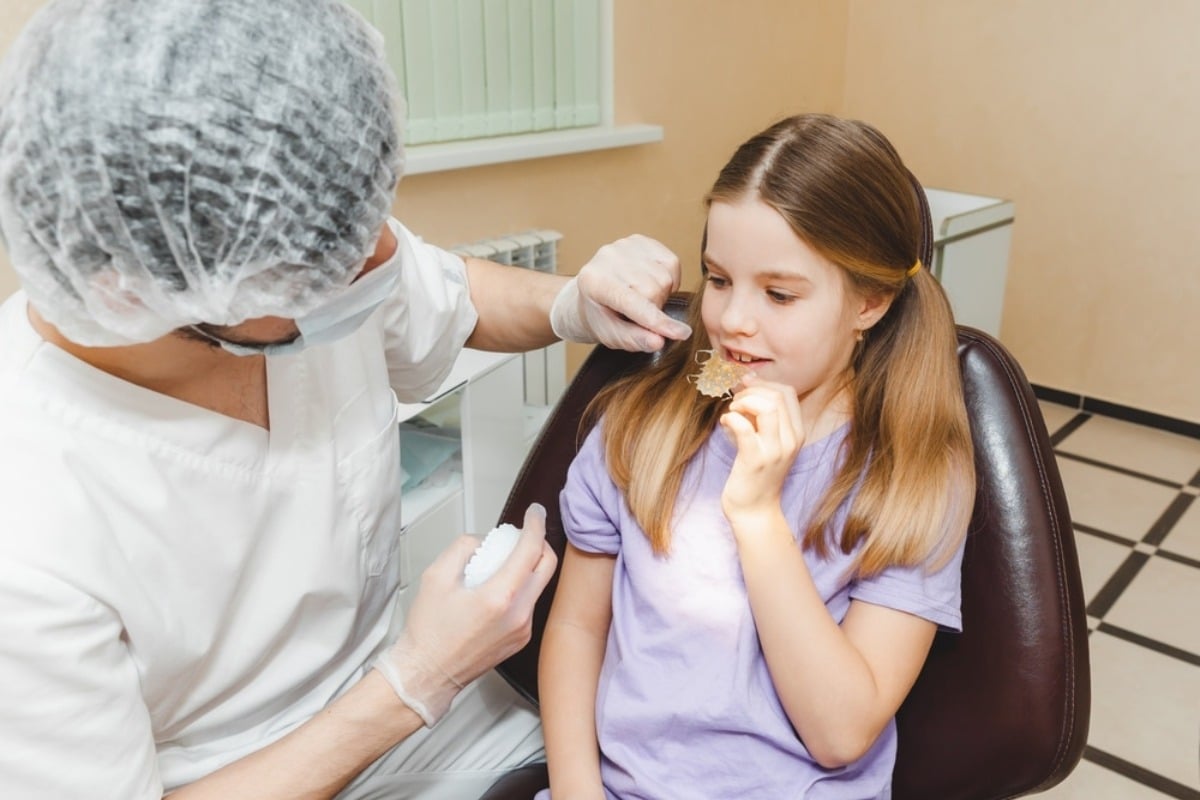
As a parent, you want the best for your child, including a healthy and confident smile. Orthodontic treatment can play a vital role in achieving this goal. However, knowing when to schedule your child’s first orthodontic consultation can be confusing. This guide will provide you with the essential information to make an informed decision.
The Importance of Early Evaluation
Many parents mistakenly believe that orthodontic treatment only begins in adolescence. However, the American Association of Orthodontists recommends that children have their first orthodontic evaluation around age 7.
- Early Identification of Issues: Orthodontists can identify potential problems early on, such as:
- Jaw growth issues: These can affect bite alignment and facial development.
- Severe crowding or spacing: Early intervention can prevent more complex problems later.
- Thumb-sucking or pacifier habits: These habits can impact tooth alignment.
- Guidance and Prevention: Orthodontists can provide guidance on:
- Oral hygiene habits: Proper brushing and flossing are crucial for healthy teeth and gums.
- Dietary habits: Limiting sugary drinks and excessive snacking can prevent cavities.
- Bad habits: Breaking thumb-sucking or pacifier habits early on can minimize their impact.
- Interceptive Treatment Options: In some cases, early intervention may prevent more extensive orthodontic treatment later. Interceptive treatment focuses on guiding jaw growth and correcting minor issues before they become more severe.
Signs That May Indicate a Need for Early Evaluation
While an early evaluation is recommended for all children, certain signs may warrant an earlier consultation:
- Early or late loss of baby teeth: This could indicate underlying jaw growth issues.
- Difficulty chewing or biting: This may be a sign of misaligned teeth.
- Protruding teeth: This can increase the risk of injury.
- Open bite: This can make it difficult to chew and speak properly.
- Crossbite: This occurs when the upper teeth bite inside the lower teeth.
- Thumb-sucking or pacifier habits: These habits can significantly impact tooth alignment.
- Family history of orthodontic issues: If you or other family members required orthodontic treatment, your child may be at increased risk.
Finding the Right Orthodontist
Choosing the right orthodontist for your child is an important decision. Consider the following factors:
- Experience and Expertise: Look for an orthodontist with extensive experience treating children.
- Credentials and Certifications: Ensure the orthodontist is board-certified by the American Board of Orthodontics.
- Patient Reviews and Testimonials: Read online reviews and ask for recommendations from other parents.
- Office Environment: Choose an office that is child-friendly and welcoming.
- Consultation Process: Schedule a consultation to meet with the orthodontist and discuss your child’s specific needs.
The First Orthodontic Consultation
During the initial consultation, the orthodontist will:
- Conduct a thorough examination: This may include taking X-rays and photographs of your child’s teeth and jaws.
- Assess your child’s bite and jaw alignment: The orthodontist will evaluate how your child’s teeth come together and how their jaws grow.
- Discuss your child’s overall oral health: The orthodontist will assess your child’s oral hygiene and provide any necessary guidance.
- Answer your questions and concerns: The orthodontist will address any questions or concerns you may have about orthodontic treatment.
Treatment Options
Based on the initial evaluation, the orthodontist may recommend:
- No treatment at this time: If no significant issues are identified, the orthodontist may recommend monitoring your child’s growth and development.
- Early interceptive treatment: This may involve minor adjustments to guide jaw growth or correct minor issues.
- Observation and monitoring: The orthodontist may recommend regular checkups to monitor your child’s growth and development.
The Importance of Regular Checkups
Even if your child does not require immediate treatment, regular checkups with the orthodontist are essential. These checkups allow the orthodontist to:
- Monitor your child’s growth and development: This helps identify any potential issues early on.
- Assess the effectiveness of any interceptive treatment: The orthodontist can make adjustments as needed.
- Address any concerns or questions you may have: This ensures you have the information you need to make informed decisions about your child’s oral health.
Conclusion
Scheduling your child’s first orthodontic consultation around age 7 is a proactive step towards ensuring a healthy and confident smile. Early evaluation allows orthodontists to identify potential issues early on and provide guidance and treatment options as needed. By working closely with your child’s orthodontist, you can help them achieve optimal oral health and a beautiful smile.
